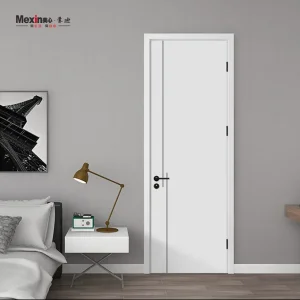
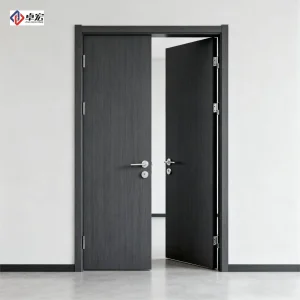
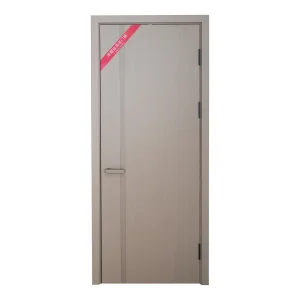
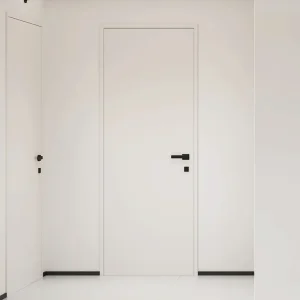
High-performance architectural timber doors engineered for acoustic insulation, fire protection, and spatial aesthetics.
The global construction market is experiencing a profound paradigm shift where basic structural elements are being re-engineered to meet stringent performance parameters. Among these, heavy-duty timber doors have emerged as a vital architectural segment. No longer classified as simple physical barriers, modern commercial doors function as integrated systems designed to satisfy fire-resistance limits, thermal insulation targets, acoustic isolation mandates, and high-frequency cyclical durability.
In commercial and multi-family residential developments across Europe, North America, and the Middle East, structural integrity rules dictate that solid timber structures be deployed in high-traffic zones. This sector spans massive commercial office developments, modern medical complexes, education facilities, and luxury hospitality structures. Architects choose heavy-duty timber because of its natural aesthetic warmth and superior design versatility compared to hollow metal alternatives.
Furthermore, regulatory compliance under frameworks like the European EN standards, American UL (Underwriters Laboratories) testing, and global ISO certifications has pushed timber door technology forward. Designers now require timber systems that survive rigorous mechanical endurance cycles (up to 500,000 opening/closing operations) while preserving their structural geometry and core stability. Consequently, sourcing reliable manufacturing partners who can guarantee stable raw material inputs, certified fire cores, and exact CNC machining tolerances is critical for modern design and construction firms.
Achieving the "heavy-duty" designation requires careful layer-by-layer material engineering. The core composition of a timber door dictates its physical limits and functional class. Below are the primary technical systems used to configure high-performance architectural wood doors:
High-performance acoustic timber doors rely on layered composite cores comprising dense mineral boards, acoustic membranes, and elastic damping layers. These systems achieve Sound Transmission Class (STC) ratings from 35 dB up to 50+ dB, essential for medical exam rooms, boardrooms, and luxury hotel suites.
Utilizing non-combustible mineral cores wrapped in structural hardwood stiles and rails, fire-rated doors prevent heat and smoke transmission. They are certified for ratings of 20, 45, 60, and 90 minutes under UL 10C and BS 476 protocols, providing vital evacuation windows.
Using stabilized multi-layered engineered composites (such as WPC, HDF, and moisture-resistant PVC wrappers) prevents warping caused by indoor-outdoor temperature and humidity differentials, making them ideal for high-humidity and variable climate regions.
China has evolved into the central hub for global architectural millwork and timber door production. The primary advantage of Chinese factories is not simple labor arbitration, but rather the integration of high-level industrial infrastructure, end-to-end supply chains, and large-scale manufacturing automation.
Leading companies like Guangzhou Weston Door Co., Ltd. utilize modern manufacturing campuses that span over 50 acres. These facilities run fully automated, computer-controlled production lines capable of manufacturing hundreds of customized door sets daily. Modern CNC machining units cut frame mortises, lockset pockets, and hinge paths with sub-millimeter precision. This level of automation minimizes human error, decreases waste, and ensures structural consistency across massive production runs.
In addition, China’s industrial hubs provide immediate access to raw material resources, ranging from sustainably harvested native timber and high-density fiberboards to premium imported species like African Mahogany and American Walnut. By integrating core preparation, veneer slicing, pressing, automated painting, and quality control steps into single localized operations, Chinese factories can deliver high-specification architectural doors at very competitive prices.
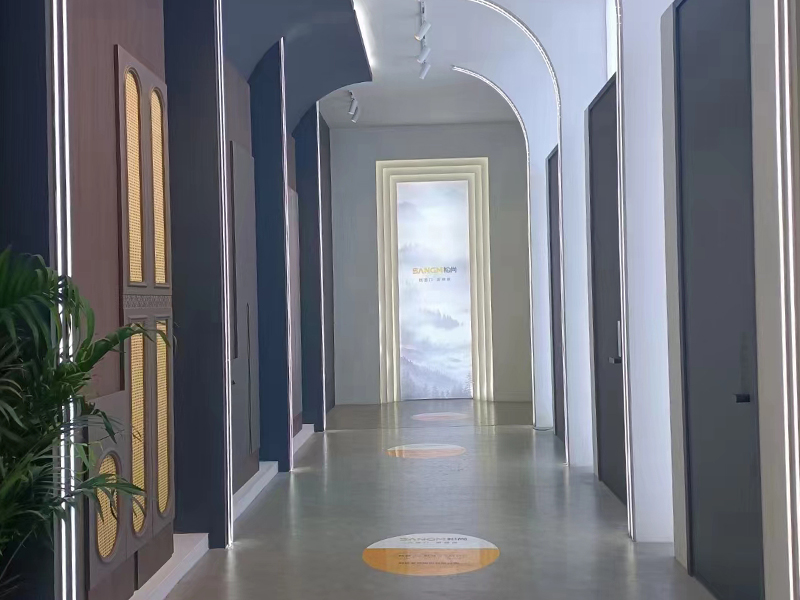
The installation of heavy-duty timber doors must align with local climate realities, regional architectural styles, and building codes. Different environments demand distinct physical configurations:
In hospitals and education facilities, doors must withstand impact from gurneys, carts, and equipment. Heavy-duty timber doors fitted with impact-resistant PVC or high-pressure laminate (HPL) faces, combined with solid lumber cores, provide the necessary durability and long-term surface stability.
Hotels demand acoustic comfort (typically STC 40+) and certified fire safety. Multi-layer wood-grain composite doors (such as Melamine or WPC) provide standard fire ratings alongside high-end surface finishes, maintaining sound isolation and visual harmony across guestrooms.
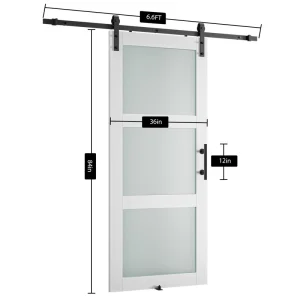
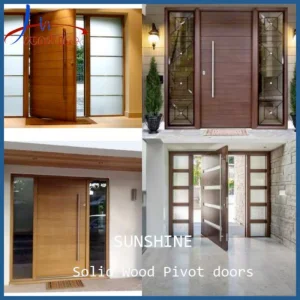
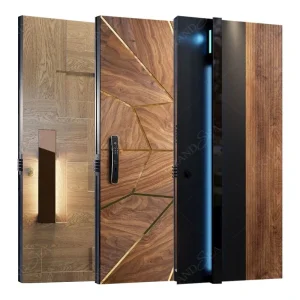
Modern upscale residences often specify large-format, custom-designed exterior pivot doors or sliding barn doors. Utilizing stable mahogany or oak solids paired with integrated smart security locksets ensures a secure, structurally stable entry point that resists warping from external weathering.
For Engineering, Procurement, and Construction (EPC) firms, choosing a timber door supplier requires balancing unit costs, manufacturing capacity, regulatory testing, and shipping logistics. Below is a structured selection matrix used by global procurement professionals:
Beyond certifications, buyers must evaluate a manufacturer's capacity to execute complex CNC milling for hardware preparation. Sourcing doors pre-machined for hinges, locksets, and concealed closers saves labor and reduces installation errors on-site. Furthermore, timber door shipments require careful packaging, including moisture-barrier wrapping and reinforced wood crates, to ensure products arrive flat and undamaged after maritime transit.
Guangzhou Weston Door Co., Ltd. was established in 2011, and since then, it has continuously evolved into a leading name in the wooden door manufacturing industry. Covering a total area of more than 50 acres, our modern facilities include state-of-the-art production workshops, office buildings, storage centers, and high-end exhibition halls. Our four fully automated production lines enable us to deliver over 500 sets of wooden doors daily, with an impressive annual production capacity of more than 200,000 sets. Our workforce includes more than 200 skilled professionals across various departments, including production, sales, order management, warehouse operations, and quality control.
At Weston Door, quality is at the core of everything we do. To ensure our products meet the highest standards, we have a dedicated quality control department that rigorously tests each product, ensuring consistency and reliability. The company's perfect team structure, robust systems, and complete product certifications demonstrate our commitment to excellence. Our reputation in the industry is built on solid foundations of advanced technology, high-quality production, and superior service.
We take pride in offering a diversified range of products, including paint-free, paint-baking, ecological, and titanium-magnesium alloy series. Our products have become synonymous with durability and style, featuring attributes such as scratch resistance, moth-proofing, moisture resistance, and environmental friendliness. Our doors are not only practical but also beautiful, combining strength, flexibility, and modern aesthetics. Designed for homes, offices, and entertainment spaces, Weston Doors are easy to install, maintain, and even modify to suit any unique design preferences.
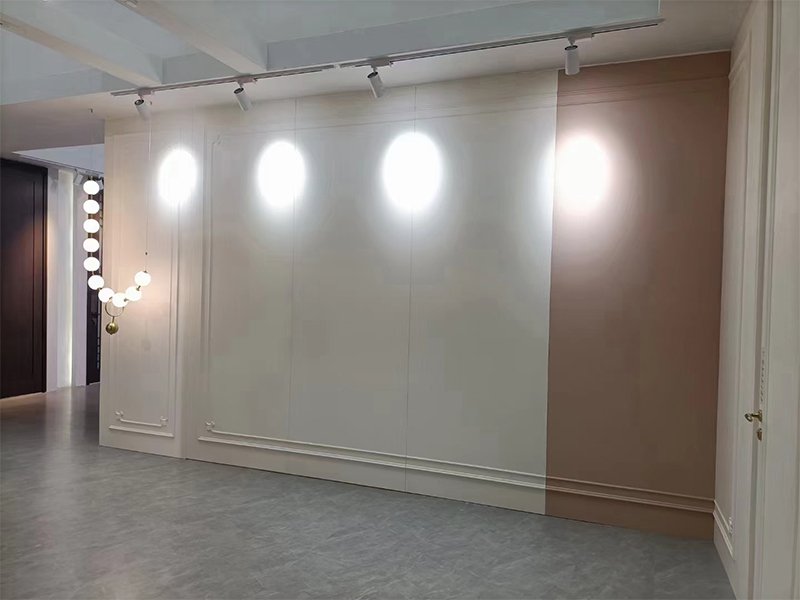
Over the years, we have expanded our market presence to cover various regions including North China, East China, Central China, Northeast China, Northwest China, and Xinjiang. In addition, our products have reached international markets, solidifying our reputation as a trusted brand for customers around the world. With over 14 years of expertise in the industry, we continue to embrace intelligent production systems, ensuring both high productivity and low environmental impact. Furthermore, our adherence to the ISO 9001 quality management system certification highlights our commitment to delivering exceptional products and services to our valued customers.
Weston Door is not just about doors; it’s about creating an experience. We aim to deliver a new standard of home aesthetics and functionality, combining natural, fresh, and simple design principles with a modern and fashionable edge. Our goal is to imbue our products with cultural meaning, enhancing the living spaces of our customers. The “Songshang Wooden Door” brand reflects our dedication to integrating traditional craftsmanship with contemporary design.
As a company, we remain committed to our core values of responsibility, innovation, and customer satisfaction. We view our role in society as more than just manufacturing doors – we are a bridge between culture, design, and functionality. Our aim is to create doors that not only enhance the aesthetic value of your home or office but also contribute to the well-being and lifestyle of our customers.
We believe in building long-term relationships, and our mission is to win the trust and loyalty of customers through quality products and exceptional service. At Weston Door, we understand that a door is not just an entryway – it’s a symbol of security, beauty, and warmth. Let us help you create a luxurious and comfortable living environment with our innovative designs, expert craftsmanship, and impeccable service.
Together, let’s create a better future, one door at a time. We welcome both new and returning customers to join us on this exciting journey, as we continue to push the boundaries of design, quality, and sustainability.
As the architectural products industry looks forward, several technical developments are shaping the design of heavy-duty timber doors:
Modern commercial door panels are increasingly engineered with internal wiring channels to support integrated smart locks, card readers, and biometric sensors. This allows for seamless security installation without visible external cabling.
The adoption of Wood-Plastic Composites (WPC) and carbon crystal boards has improved moisture resistance. These materials require no traditional paint finishes, reducing VOC emissions while offering excellent impact durability.
Minimalist aesthetics remain a strong trend. Doors are increasingly specified with hidden, heavy-duty hinges and concealed automatic drop seals that emerge only when the door is closed, ensuring clean sightlines.
High-performance architectural timber doors engineered for acoustic insulation, fire protection, and spatial aesthetics.
 Weston Door