Analyzing key micro-innovations and structural changes in safety standards driving the commercial construction industry.
Modern building regulations, such as the International Building Code (IBC) and EN Standards, are mandating structural fire resistance durations up to 120 minutes. This requires manufacturers to achieve precise material synthesis involving heavy solid-core composites and premium mineral backing structures.
Next-generation fireproof wooden doors rely on high-expansion intumescent seals integrated seamlessly into the door edges. Under temperatures exceeding 180°C, these seals expand up to 25 times their original volume, eliminating draft corridors and blocking toxic gases.
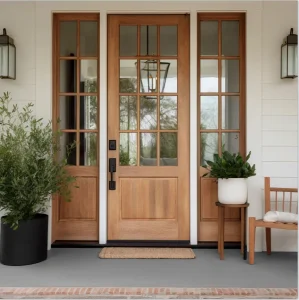
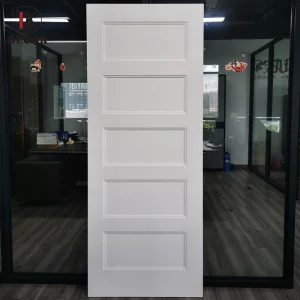
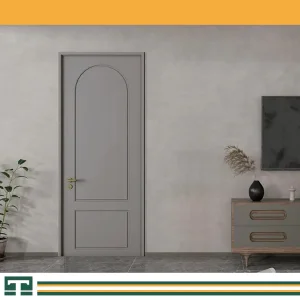
Architects no longer accept bulky, industrial-looking safety installations. The design trend focuses on integrating high-level Sound Transmission Class (STC) ratings alongside wood veneers like Teak and Oak, combining luxury interior finishes with life-saving fire defense structures.
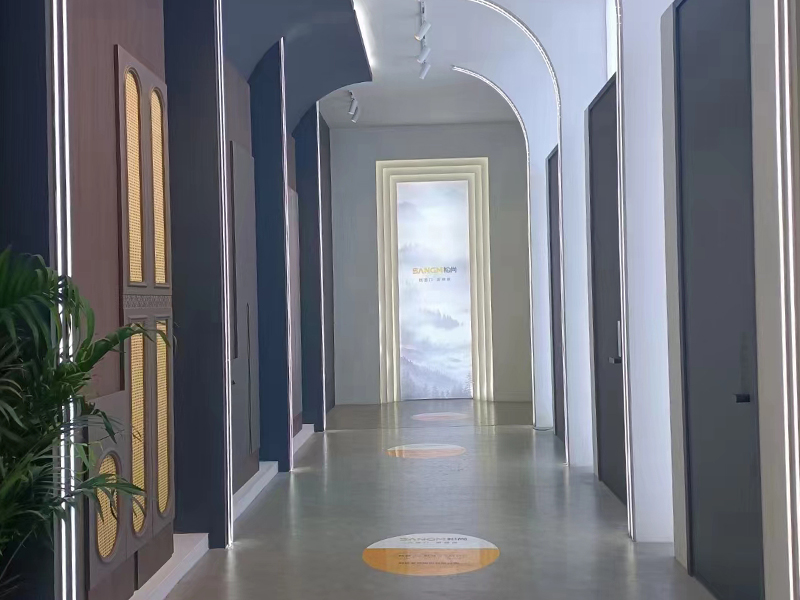
Established in 2011, Guangzhou Weston Door Co., Ltd. (operating with the high-end artisan brand Songshang Wooden Door under Shijiazhuang Chaoda Home Decoration Co., Ltd.) has evolved into a leading global authority in wooden door manufacturing. Spanning a modern campus of more than 50 acres, our facilities represent the cutting edge of industrial wood manufacturing.
Weston Door incorporates advanced European manufacturing techniques, operating four fully automated production lines that churn out over 500 premium sets of wooden doors daily, achieving an annual manufacturing capacity exceeding 200,000 sets. Supported by 200+ trained engineering and management professionals, we serve architects, project contractors, and commercial developers worldwide.
A structured approach to sourcing fire doors for complex commercial, hospitality, and residential projects.
Procuring fire doors requires rigorous verification of test reports and raw material traceability. Enterprise purchasers must ensure that the core substrate consists of high-density mineral boards or certified fire-retardant solid timber blocks. At Weston Door, we incorporate an internal audit team to inspect wood moisture content, ensuring it remains between 8% and 12% to prevent warping under thermal stress. This ensures long-term operational integrity and maintains the crucial door-to-frame clearances required for fire ratings.
| Fire Rating Duration | Common Core Structure | Ideal Applications | Critical Compliance Certifications |
|---|---|---|---|
| 30 Minutes (FD30) | Solid timber core (density > 500kg/m³) | Residential entrance doors, standard offices | BS 476 Part 22, EN 1634-1 |
| 60 Minutes (FD60) | High-density particleboard / composite core | Corridors, high-occupancy commercial areas | UL 10C, BS 476, ISO 9001 |
| 90 Minutes (FD90) | Solid mineral core with sub-framing | Stairwells, electrical plant rooms, hospital wards | NFPA 252, EN 1634, UL 10B |
| 120 Minutes (FD120) | Specialized engineered mineral cores | Server rooms, critical egress zones, high-rise hubs | EN Certificated Zhtdoors standard, UL 10C |
Modern fireproof wood doors represent a triumph of material science over thermal degradation. Solid timber naturally chars when exposed to fire. By utilizing engineered core composites and treating surface panels with premium fire-retardant properties, Weston Door creates products that delay heat transfer dramatically.
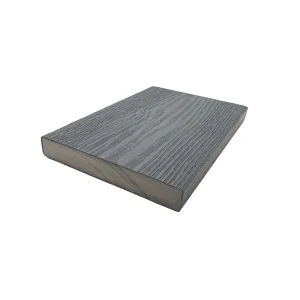
Our paint-free, paint-baking, ecological, and titanium-magnesium alloy series are built to stand the test of time. Incorporating premium surface coatings prevents wear and tear, scratch damage, and pest infestations. For high-humidity environments, we construct waterproof PVC composite layers alongside anti-mildew coatings to guarantee consistent structural stability and fire compliance.
In addition, our manufacturing methods prioritize carbon neutrality and support sustainability initiatives. By sourcing timber responsibly and reducing adhesive emissions, Weston Door helps global developers secure valuable LEED green building credits.
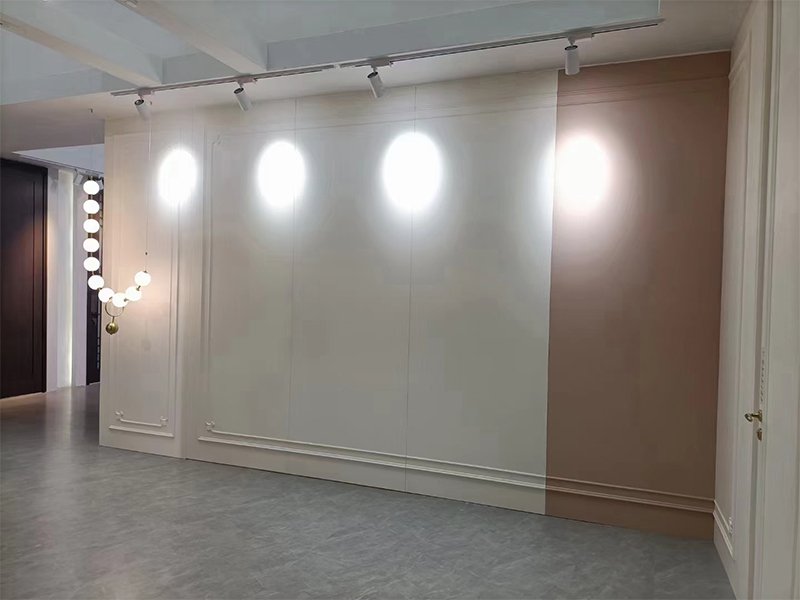
Addressing the most pressing technical, structural, and regulatory questions raised by architects and procurement heads.
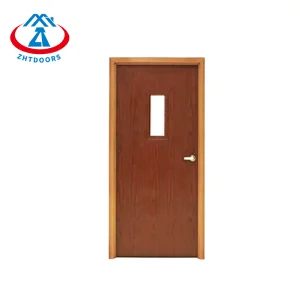
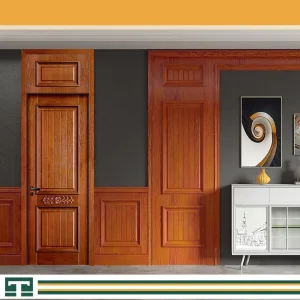
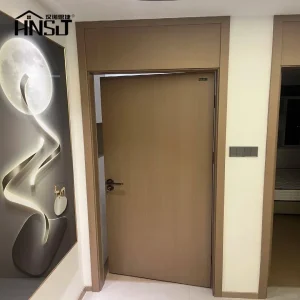
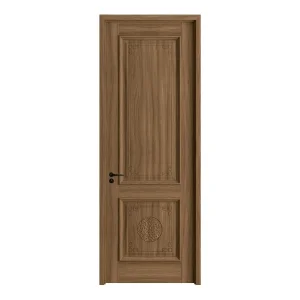
At Weston Door, we believe a door is more than just a barrier—it is the ultimate expression of security, architectural beauty, and lifestyle integration. By merging classic woodwork with next-generation manufacturing technology, we supply the international market with certified, eco-friendly, and durable safety systems.
 Weston Door