Why Do Wooden Doors Shrink in Winter and How to Prevent It?

Time:2026-06-28 Author:Liam
0%

Wooden doors are a common feature in many homes, offering warmth and charm. However, these doors can experience significant changes during winter. Many homeowners ask, "Why do wooden doors shrink in winter?" The answer lies in the way wood interacts with humidity and temperature. As temperatures drop, the air becomes drier, causing wooden materials to lose moisture. This natural process leads to visible gaps and misalignments in doors.

Understanding the mechanics behind this phenomenon is essential. Shrinking doors can lead to usability issues, compromised insulation, and aesthetic concerns. Addressing this issue requires both knowledge and proactive measures. Effective solutions involve maintaining proper humidity levels indoors and utilizing appropriate finishes on your wooden doors.

Reflecting on the implications can be unsettling. While some believe room temperature can stay stable, external conditions fluctuate drastically. It is crucial to acknowledge that natural materials behave unpredictably. Ultimately, informed care can enhance the longevity and functionality of wooden doors throughout winter months.
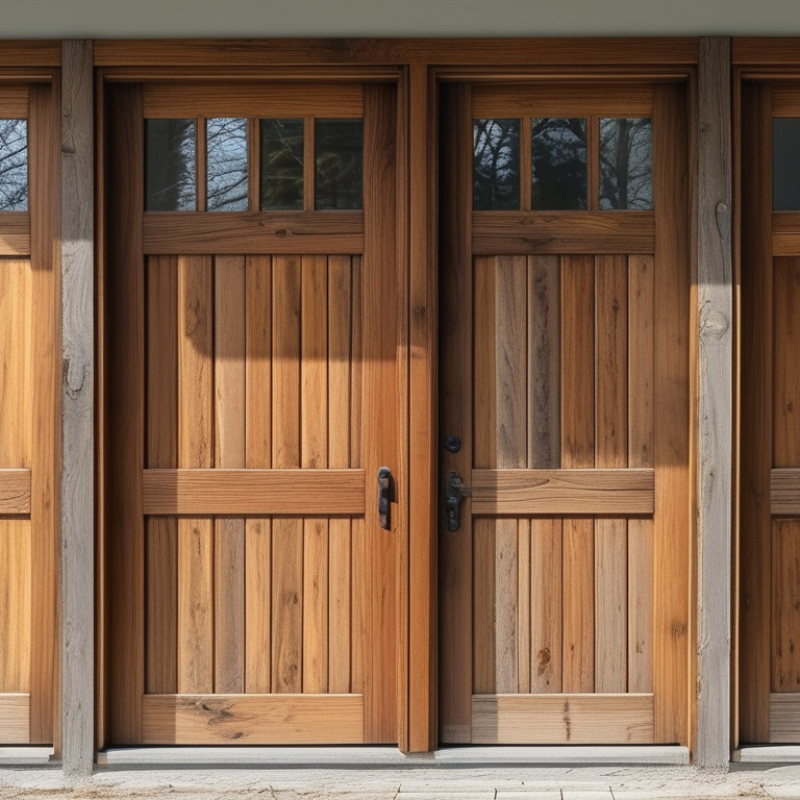
Why Do Wooden Doors Shrink in Winter and How to Prevent It?

Factors Contributing to Wooden Door Shrinkage in Winter

Wooden door shrinkage in winter is a common issue, often caused by changes in humidity and temperature. When the temperature drops, indoor heating systems reduce humidity levels. According to the Wood Products Council, wood is hygroscopic, meaning it naturally absorbs and releases moisture. This process can lead to noticeable shrinkage and gaps in wooden doors, affecting their aesthetics and functionality.

Several factors contribute to this shrinkage. Humidity levels in winter can drop to as low as 20%, while summer rates may exceed 60%. Such fluctuations create stress on the wooden fibers, prompting them to contract. Additionally, the type of wood used plays a significant role. Hardwoods, often denser, may respond differently than softwoods. The integrity of the door frame influences how much the door can move. A poorly sealed frame allows for additional moisture loss, leading to increased shrinkage.

Proper installation techniques are crucial to mitigate these effects. Ensuring that wooden doors are well-fitted and sealed can help maintain their stability. Regular maintenance, including humidity control measures in the home, is vital. Employing a humidifier during dry months may also combat door shrinkage. Understanding these inherent issues allows homeowners to take preventive measures effectively.

Understanding the Role of Humidity in Wood Expansion and Contraction

Wooden doors are susceptible to changes in humidity. In winter, indoor heating lowers humidity levels. As the air dries out, wooden doors may shrink. This shrinkage can cause gaps, misalignment, or difficulty in closing. Understanding this process is essential for homeowners.

Humidity plays a crucial role in wood’s behavior. When humidity rises, wood absorbs moisture and expands. Conversely, in low humidity, it loses moisture and contracts. The balance is delicate. Too much shrinkage can lead to damage. Regular maintenance is vital to minimize these effects.

Preventing shrinkage starts with maintaining indoor humidity. Aim for a consistent level, ideally between 30% and 50%. Using a humidifier can help during dry winter months. Sealing your doors with a protective finish also adds a layer of defense. However, expect some natural movement. Wood is not perfect. Embracing its organic nature means being prepared for minor adjustments over time.

Impact of Humidity on Wooden Door Dimensions

This chart illustrates the impact of relative humidity on the width change of wooden doors. As humidity increases, wooden doors tend to expand, while they shrink in lower humidity conditions, which can lead to issues in fitting and sealing. Understanding this relationship can help in maintaining the integrity of wooden doors throughout varying seasons.

Signs of Shrinkage in Wooden Doors: What to Look For

Wooden doors can show distinct signs of shrinkage during winter months. As temperatures drop, wood loses moisture. This process leads to contraction. You may notice gaps between the door and its frame. In severe cases, the door may become misaligned. These changes can affect both function and appearance.

Common signs of shrinkage include creaking sounds when opening or closing. The door may also stick, especially at the top or bottom. Additionally, visible gaps might appear along the edges. A study from the American Wood Council states that wood can shrink up to 1/8 inch for every 10% drop in humidity. Recognizing these signs early can help prevent further damage.

To mitigate shrinkage, ensure proper humidity levels in your home. A humidifier can help maintain stable moisture content. Regularly applying a protective sealant can add a barrier against moisture loss. Frequent inspections will help catch early signs of shrinkage. Remember, not all wooden doors react the same way. Individual characteristics can influence their response to environmental changes.

Why Do Wooden Doors Shrink in Winter and How to Prevent It?

Sign of Shrinkage Potential Cause Prevention Method
Visible Gaps Low humidity and cold temperatures Use a humidifier to maintain indoor moisture
Difficulty in Closing Expansion during warmer months Regularly adjust hinges and locks
Cracks and Splits Extreme dryness Apply wood conditioner or sealants
Warps in Structure Moisture fluctuations Ensure even drying and proper installation
Sound Changes Material contraction Regular maintenance and lubrication of hardware

Preventive Measures to Minimize Wooden Door Shrinkage

Wooden doors are prone to shrinkage in winter due to changes in humidity and temperature. As the air becomes drier, the wood loses moisture. This leads to gaps and misalignment, which can be troubling for homeowners. Taking preventive measures is essential for maintaining your door’s integrity.

To minimize shrinkage, consider using a humidifier during the colder months. This helps maintain ambient moisture levels. Regularly applying a suitable wood finish creates a protective layer. The finish helps seal moisture within the wood and prevents excessive drying. Checking for drafts around the door also aids in reducing temperature fluctuations that contribute to shrinkage.

Additionally, inspecting the door frame for cracks is crucial. These gaps can exacerbate the problem as cold air enters. Tightening hardware periodically ensures everything remains in place. It requires diligence but is critical for prolonging the life of your wooden doors. Remember, prevention is better than repair, and small efforts can make a significant difference.

Maintenance Tips for Keeping Wooden Doors Stable During Winter

Wooden doors can be beautiful and sturdy, but they often shrink in winter. This happens because wood absorbs moisture during warmer months. As temperatures drop, the moisture evaporates, causing the wood to contract. Keeping your wooden doors stable requires proper maintenance.

Regularly check the humidity levels inside your home. A dehumidifier can help maintain a stable environment. Avoid placing heaters too close to your wooden doors. Extreme heat can also lead to warping or cracking.

Applying a sealant can also be beneficial. A good quality sealant protects wood from moisture changes. Be sure to inspect the sealant yearly, especially before winter. Lastly, hinges may need lubrication to ensure smooth operation. Maintaining these elements ensures your doors stand the test of time, even in cold weather.

FAQS

: Why do wooden doors shrink in winter?

: Wooden doors shrink due to low humidity levels and indoor heating, causing moisture loss.

What are common signs of shrinkage in wooden doors?

Look for gaps, misalignment, creaking sounds, and sticking in various door areas.

How can I maintain humidity in my home?

Use a humidifier to keep humidity levels between 30% and 50% during dry months.

What happens if my wooden door shrinks too much?

Excessive shrinkage can cause permanent damage, leading to more significant gaps and misalignment.

How often should I inspect my wooden doors?

Regular inspections ensure early detection of shrinkage signs, ideally monthly during winter.

Can a protective finish help with shrinkage?

Yes, applying a wood finish seals moisture and prevents rapid drying, aiding in shrinkage control.

Are all wooden doors affected the same way by humidity changes?

No, individual wood characteristics can influence how each door responds to humidity fluctuations.

What preventive measures should I take for my wooden doors?

Ensure stable humidity, check for drafts, apply a protective finish, and tighten hardware regularly.

Is it possible to completely stop wooden doors from shrinking?

No, it's unlikely to completely stop shrinkage, but maintaining conditions can minimize it.

Why is regular maintenance important for wooden doors?

Regular maintenance prevents damage from shrinkage and prolongs the lifespan of the doors.

Conclusion

Wooden doors are commonly affected by seasonal changes, leading to a phenomenon known as shrinkage during winter months. The primary reason for this is the decrease in humidity levels, which causes the wood to lose moisture and contract. Understanding the role of humidity is crucial in preventing wooden door shrinkage. Signs of shrinkage may include gaps between the door and frame, difficulty in closing, or visible cracks in the wood.

To address the question, "Why do wooden doors shrink in winter," it's essential to take preventive measures. Maintaining a consistent indoor humidity level can help minimize these effects. Regular maintenance, such as applying wood treatments and ensuring proper sealing, can also enhance the stability of wooden doors during the colder months. Implementing these tips can prolong the lifespan and functionality of wooden doors, ensuring they remain in good condition throughout winter.

Liam

Liam

Liam is a dedicated marketing professional with a profound expertise in the industry, where he excels at highlighting the unique advantages of our core products. With a keen understanding of market trends and consumer needs, Liam frequently updates our company’s professional blog, providing......