Why is My Wooden Door Swelling in Summer Solutions?

Time:2026-04-29 Author:Charlotte
0%

During summer, many homeowners face a common issue: their wooden doors swell. This phenomenon raises the question, "Why is my wooden door swelling in summer?" As temperatures rise and humidity levels increase, wood naturally absorbs moisture. This can lead to significant changes in size and shape, causing your door to become stuck or misaligned.

The process occurs due to the hygroscopic nature of wood. Different types of wood react differently to moisture and heat. Some woods may warp more severely than others. Homeowners might worry about the integrity of their doors, especially if they notice gaps or difficulties in opening and closing. These reactions prompt a need for practical solutions.

Understanding this issue requires more than just basic knowledge. It demands expertise in woodworking and climate effects. Reliable information can help in tackling the swell. Preventive measures, such as sealing and proper maintenance, can make a difference. Reflecting on these aspects is crucial for maintaining the longevity of your wooden doors. Each summer presents an opportunity to reassess your home's wooden elements.
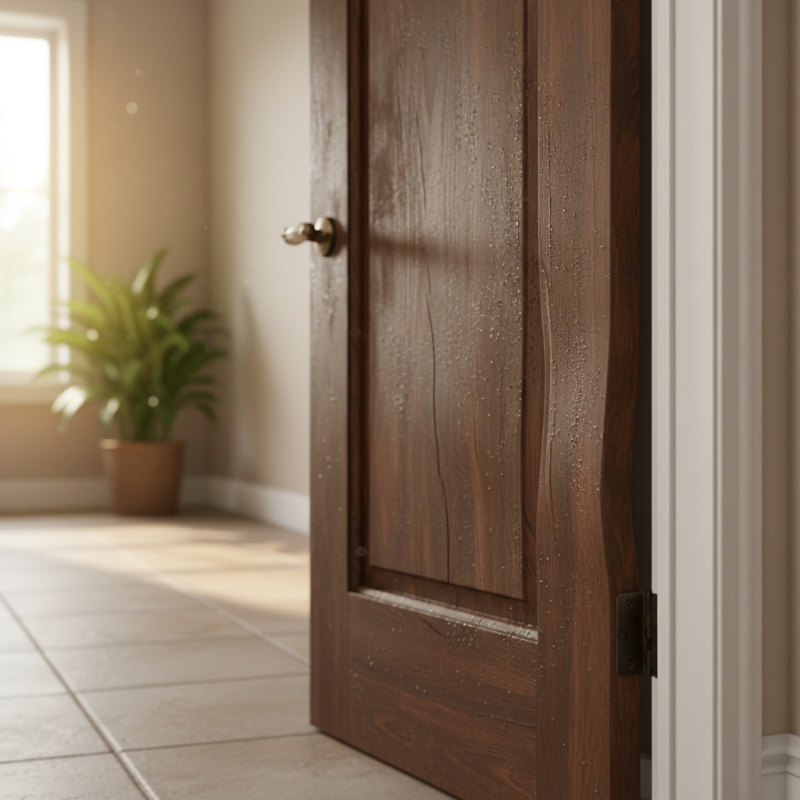
Why is My Wooden Door Swelling in Summer Solutions?

Understanding Wooden Door Swelling: Causes and Effects

Wooden door swelling is a common summer issue. This phenomenon occurs due to increased humidity and temperature. Wood is hygroscopic, meaning it absorbs moisture from the air. According to industry studies, wood can absorb up to 12% more moisture in humid conditions, leading to significant swelling. This can cause the door to stick, making it difficult to open and close smoothly.

The effects of swelling extend beyond inconvenience. A swollen door can damage the frame, hinges, and even the door itself. Over time, this may require costly repairs or replacements. The American Wood Council highlights that proper door maintenance can mitigate these issues. Regularly applying sealants and maintaining appropriate humidity levels indoors are effective strategies.

Common signs of swelling include gapping or uneven paint. A door that swings open or shut unexpectedly may also indicate moisture-related problems. Homeowners should pay attention to these signs. It’s essential to monitor indoor climate and invest in dehumidifiers if necessary. Controlling the environment can greatly extend the life of wooden doors.

Why is My Wooden Door Swelling in Summer Solutions? - Understanding Wooden Door Swelling: Causes and Effects

Causes of Wooden Door Swelling Effects of Swelling Solutions
Increased Humidity Difficulty in opening or closing the door Use a dehumidifier in the space
Temperature Changes Cracks in the wood finish Regularly apply wood conditioner
Improper Sealant Loss of aesthetics and potential water damage Reapply a high-quality sealant
Lack of Ventilation Mold growth around the door Improve air circulation in the area

The Role of Humidity and Temperature in Wood Expansion

Wood is a natural material that responds to environmental changes, especially humidity and temperature. In summer, the heat and moisture can cause wooden doors to swell. This occurs when the wood absorbs excess moisture from the humid air. As the wood fibers expand, they can warp or stick. This can make it difficult to open or close your door smoothly.

Humidity plays a critical role in wood expansion. High levels of humidity increase the moisture content in the wood. For instance, when outdoor humidity climbs to 80% or higher, wood can swell significantly. Temperature also contributes to this process. Hotter temperatures increase the air's capacity to hold moisture, exacerbating the swelling issue. However, not all wood behaves the same way. Different types of wood react differently to moisture and temperature changes.

To minimize swelling, consider using a dehumidifier in your home. Proper ventilation can also help reduce indoor humidity. Regular maintenance, such as sealing and finishing the wood, can provide a protective barrier. It's crucial to be aware of these factors. Simple mistakes in caring for your wooden door can lead to costly repairs. Keeping an eye on humidity levels is essential for maintaining your door's integrity.

Signs of Swelling in Wooden Doors: What to Look For

Wooden doors can be beautiful, but they may swell during the hot summer months. It’s important to recognize the signs of swelling to avoid further damage. First, look for warping or a visual distortion in the door's surface. This may present as uneven edges or gaps. If your door sticks when opening or closing, it might also be a sign of moisture absorption.

Another indicator is the presence of cracks or splits in the wood. This can happen when humidity levels rise, affecting the integrity of the door. Listen for creaking noises as the door moves. Some doors may even create a gap at the top or bottom, especially when humidity is high. Observe these signs closely. The earlier you identify them, the better. Regular checks can help, especially if you live in a humid area.

Managing a wooden door's condition requires observation and action. Be proactive about the environment; it may help minimize swelling. If you notice any signs, consider solutions like dehumidifiers or proper airflow. It's essential to regularly maintain your wooden door to ensure longevity. Taking these steps can prevent significant issues down the line.

Effective Solutions to Prevent or Reduce Door Swelling

Wooden doors often swell during the summer months due to increased humidity. This phenomenon occurs when moisture in the air is absorbed by the wood. According to industry reports, hardwood can absorb up to 12% of its weight in moisture. This can lead to difficulties in opening and closing doors.

To combat this issue, maintaining an optimal indoor environment is crucial. Installing a dehumidifier can help reduce humidity levels. The National Association of Home Builders suggests keeping indoor humidity between 30% and 50%. This simple adjustment can significantly decrease the likelihood of swelling.

Another effective solution involves applying a protective sealant. A high-quality sealant creates a barrier that minimizes moisture absorption. Regular maintenance, such as reapplying the sealant every few years, ensures long-lasting protection. Interestingly, some homeowners overlook this step, allowing moisture to penetrate. By being proactive, door swelling can be kept at bay.

Maintaining Your Wooden Door: Tips for Longevity and Performance

Wooden doors can be beautiful and durable, but they require proper care to maintain their performance. Summer humidity can cause doors to swell, making them difficult to open and close. To avoid this issue, ensure your door is treated with a sealant or finish that protects against moisture. Regular inspections will help you catch any signs of damage early.

Cleaning wooden doors is also essential. Use a soft cloth and mild soapy water to remove dirt. Avoid harsh chemicals, as they can degrade the wood's finish. It's also wise to oil hinges regularly. This keeps them functioning smoothly and prevents squeaking.

Sometimes, despite your best efforts, a door may still swell. This might require planing the edges to improve fit. It may feel frustrating to have to make these adjustments. However, addressing these issues promptly can extend your door's lifespan. Always be mindful of changes in humidity, and take notes on how your door responds to the seasons. Your attention to detail makes a significant difference.

Wooden Door Swelling Factors in Summer

This chart illustrates the impact of various environmental factors on the swelling of wooden doors during the summer season. High humidity, temperature variations, rainfall, and sun exposure can significantly contribute to the expansion of wooden materials.

FAQS

: What causes wooden doors to swell during summer?

: Increased humidity causes wood to absorb moisture, making it swell and difficult to operate.

How does humidity affect wood expansion?

High humidity raises moisture levels in wood. When outdoor humidity exceeds 80%, swelling can be significant.

What can I do to minimize door swelling?

Use a dehumidifier and ensure proper ventilation to reduce indoor humidity levels.

Why is sealing important for wooden doors?

A protective sealant minimizes moisture absorption, preventing swelling and prolonging the door's lifespan.

How should I clean my wooden door?

Clean with a soft cloth and mild soapy water. Avoid harsh chemicals that can damage the finish.

What maintenance should I perform on my door hinges?

Regularly oil the hinges to keep them functioning smoothly and prevent squeaking.

What should I do if my door still swells?

You may need to plane the edges to improve the fit, which can be frustrating but necessary.

How often should I reapply sealant on my door?

Reapplying sealant every few years is essential for ongoing protection against moisture.

What humidity level is ideal for indoor spaces?

Keeping indoor humidity between 30% and 50% helps reduce the likelihood of wood swelling.

Is it normal for wood to react differently to humidity and temperature?

Yes, different wood types react uniquely, so it's important to monitor your specific door's response.

Conclusion

In addressing the question, "Why is my wooden door swelling in summer," it is essential to understand the factors contributing to this common issue. Wooden doors are susceptible to changes in humidity and temperature, which can cause the wood to expand and lead to various complications, such as sticking or difficulty in opening and closing. The increased moisture in the air during summer months is a significant trigger for this swelling.

To identify signs of swelling, homeowners should look for gaps, warping, or changes in the door's fit within the frame. Effective solutions involve managing indoor humidity levels, applying protective finishes, and ensuring proper door installation. Additionally, regular maintenance and care of your wooden door can enhance its longevity and performance, preventing future swelling issues. By taking proactive measures, you can keep your wooden door functional and aesthetically pleasing throughout the summer months.

Charlotte

Charlotte

Charlotte is a seasoned marketing professional with a deep understanding of the company's portfolio and a passion for elevating its presence in the market. With a keen eye for detail and a commitment to excellence, she ensures that our professional blog is regularly updated with insightful articles......