Dealing with a sticking wooden door can be frustrating. Many homeowners wonder, "Why does my wooden door keep sticking at the bottom?" This issue may arise from various factors, including humidity, incorrect installation, or natural wear over time. When a door sticks, it interrupts daily routines and causes irritation.
Understanding the reasons behind this problem is essential. Wood expands and contracts with changes in moisture and temperature. Sometimes, a poorly aligned door frame can also contribute to this issue. Homeowners must not overlook minor shifts in structure as potential causes. Identifying these specific problems is vital for effective solutions.
Addressing a sticking door requires patience and careful attention. It’s important to evaluate the door’s condition and surroundings. Solutions may involve simple adjustments or more significant renovations. This complexity emphasizes the need for a thoughtful approach to home maintenance. By understanding the underlying reasons, homeowners can effectively tackle this common problem and enjoy a smoothly functioning door once more.
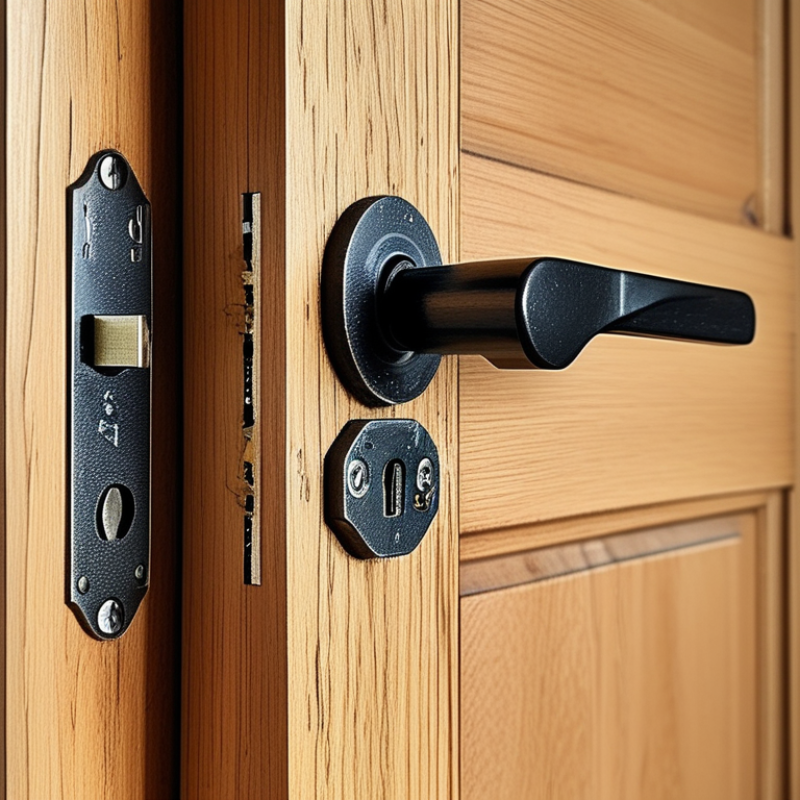
A sticking wooden door can be a common nuisance. It often occurs when changes in humidity and temperature affect the wood. When wood absorbs moisture, it expands. This expansion can cause the door to fit too tightly in its frame. You might notice it sticking particularly at the bottom. A slight misalignment can turn a functional door into a frustrating one.
Another common cause is the accumulation of dirt and debris. Over time, dust can settle along the door's hinges or the bottom edge. This buildup can hinder the door's movement. Furthermore, worn-out hinges may contribute to the issue. If the hinges are rusty or damaged, they can prevent smooth operation. Regular maintenance can help, but many overlook this simple step.
Sometimes, the floor itself can be the problem. Uneven flooring or warping can lead to door sticking. A loose floorboard can push against the door, causing it to cling to the frame. Identifying the correct cause may not always be easy. It's important to assess various factors to find a suitable solution. Troubleshooting your door’s behavior will often reveal the underlying issue.
: Wooden doors stick due to humidity changes or shifting house foundations.
First, check for dust or debris blocking the door. Remove any visible obstructions.
Examine the hinges for loose screws. Loosening the screws slightly can help the door function better.
Use a level to check alignment. Shimming the hinges can help if the door is uneven.
Insert thin cardboard behind the hinge plates. This process can take trial and error.
Trim the bottom edge of the door using a circular saw for a clean cut.
Sand the edges after cutting to prevent splinters and ensure a smooth finish.
Regular care helps prevent issues like sticking and protects the wood from moisture damage.
Yes, moisture can cause wood to swell, leading to sticking. Consider using dehumidifiers in humid seasons.
Reflecting on your maintenance habits can improve your skills and help avoid future problems.
If you've ever wondered, "Why does my wooden door keep sticking at the bottom?" you're not alone. This issue often arises from common causes such as humidity changes, warped frames, or accumulated dirt and debris. Understanding these factors is crucial in identifying signs of a sticking door, which can include difficulty in opening or closing and visible gaps between the door and the frame.
To effectively address a sticking wooden door, following a step-by-step guide for proper adjustment is essential. This might involve planing the bottom of the door or realigning the hinges. Additionally, there are various methods for repairing the door to ensure smooth operation. To prevent future sticking issues, consider maintenance tips such as keeping the door clean and monitoring environmental conditions. By understanding the reasons behind a sticking door and implementing these solutions, you can restore functionality and avoid frustration.

 Weston Door