When considering home improvement, many homeowners wonder, "What are the pros and cons of engineered wood doors?" According to John Smith, an expert in architectural design, "Engineered wood doors combine beauty with functionality, but it's essential to understand their limitations."
Engineered wood doors provide a sleek aesthetic and enhanced durability. They often resist warping better than traditional solid wood doors. However, some may question their overall strength and longevity. This uncertainty prompts reflection on whether engineered options can match the character of natural wood.
Additionally, the cost can vary significantly. While engineered doors may offer a more budget-friendly solution, their value compared to solid wood warrants careful consideration. Homeowners must weigh beauty against practicality. The decision is not clear-cut, and understanding the potential downsides is crucial for making an informed choice.
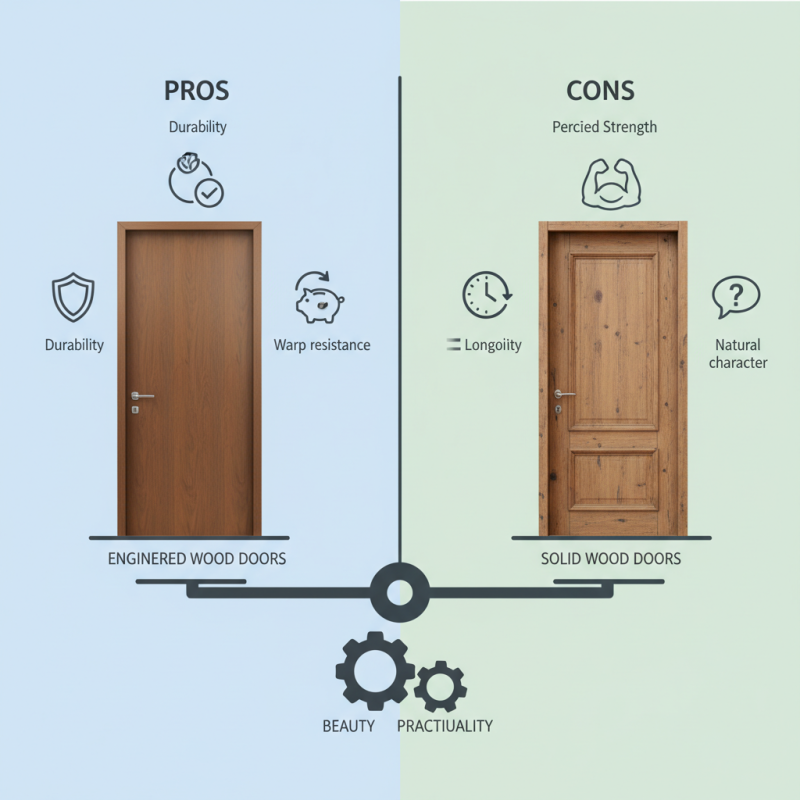
Engineered wood doors offer an intriguing blend of beauty and practicality. These doors are built using layers of wood, bonded together for strength. This process reduces the likelihood of warping compared to solid wood. Homeowners often appreciate their consistency and reliable performance. They come in various styles, allowing for versatility in design.
However, it’s crucial to consider their longevity and maintenance. While engineered wood can resist some environmental factors, it can still be susceptible to moisture over time. This raises questions about their suitability for certain climates. Distinguishing between high-quality engineered doors and cheaper alternatives can also be tricky. Not all options provide the same aesthetic appeal or durability.
Ultimately, weighing the pros and cons takes thoughtful reflection. The beauty of engineered wood doors is evident, but drawbacks exist. Homeowners must balance aesthetics with practical needs. Understanding these factors is essential before making a choice.
| Dimension | Pros | Cons |
|---|---|---|
| Cost | More affordable compared to solid wood | Quality may vary between manufacturers |
| Durability | Resistant to warping and cracking | Can be less durable if made with inferior materials |
| Appearance | Available in a variety of styles and finishes | May look less elegant than solid wood |
| Maintenance | Easier to clean and maintain | Surface can be susceptible to scratches |
| Environmental Impact | Often made from sustainable materials | Some options may still use harmful adhesives |
: Engineered wood doors are made of layers of wood bonded together. They combine beauty and strength effectively.
They resist warping better than solid wood, but moisture can still be an issue. This makes some climates challenging.
Yes, engineered wood doors are often 30% cheaper than solid wood ones. They appeal to budget-conscious homeowners.
They come in various styles but might lack the authentic look of solid wood. This could impact design choices.
Their longevity varies, generally shorter than solid wood options. Regular maintenance can prolong their lifespan.
While they are durable, they still need regular checking for moisture issues. Neglect can lead to problems over time.
Solid wood doors are often seen as more durable and offer a warmer look. They enhance property value significantly.
Yes, they can face issues from moisture over time, especially in certain climates. It's crucial to monitor their condition.
Look for superior design and material consistency. Not all options are created equal in aesthetic appeal or durability.
It requires thoughtful consideration. Weigh the pros and cons of each type to align choices with your practical needs.
Engineered wood doors offer a blend of aesthetics and functionality, making them a popular choice for many homeowners. What are the pros and cons of engineered wood doors? On the positive side, they boast benefits such as affordability, stability, and resistance to warping, which can be particularly advantageous in fluctuating climates. Their attractive appearance often mimics that of solid wood, providing a stylish option without the high costs.
However, there are potential drawbacks to consider. Engineered wood doors may not have the same longevity as their solid wood counterparts and can be more susceptible to scratching and dents. When comparing engineered wood doors to solid wood options, it's essential to weigh these factors carefully. Ultimately, making an informed decision involves considering your budget, aesthetic preferences, and the specific needs of your home environment.

 Weston Door