Wooden doors add charm and warmth to any home. However, they are prone to warping due to humidity and temperature changes. Experts like Mark Thompson, a seasoned carpenter, emphasize that “maintaining the right environment is crucial to prevent wood from bending.” Understanding how to prevent a wooden door from warping is essential for homeowners who value durability and aesthetics.
Proper care can extend the life of your wooden doors. Regularly check the surrounding environment. Both excessive moisture and dry air can significantly affect the wood. Simple actions, like using a dehumidifier or ensuring proper ventilation, can make a difference. It’s important to be mindful of these factors. Small adjustments in your home can prevent bigger issues from developing.
Investing in quality materials can also help. Not all wood is created equal. Choosing solid hardwood or properly treated wood can reduce the risk of warping. Still, no matter the material, maintain a watchful eye. Even high-quality doors can warp if neglected. Taking these steps can save you time, effort, and money in the long run. Making your wooden doors last begins with understanding the small details of their care.
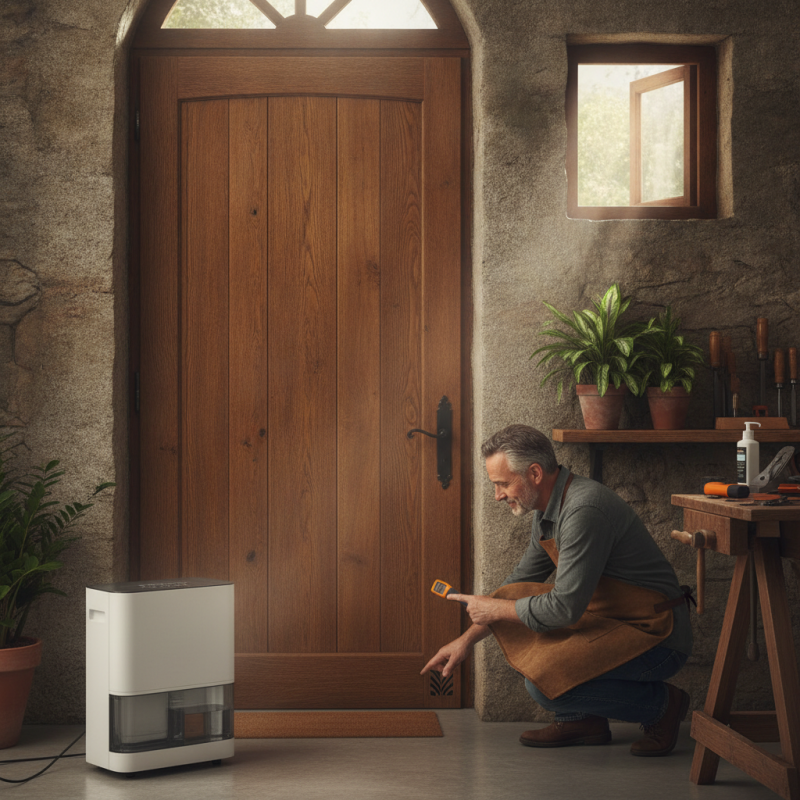
Wooden doors are susceptible to warping, especially in humid conditions. High humidity causes the wood to absorb moisture, leading to expansion. This expansion can result in distortion, making the door difficult to open or close. Additionally, fluctuations in temperature can exacerbate this issue. When wood dries out, it may contract and lose its shape. Understanding these factors can help homeowners take proactive steps.
Humidity isn't the only culprit. Even minor leaks or spills can cause localized dampness. This can lead to uneven moisture absorption. Applying finishes can help, but they may not be foolproof. Even with a sealant, wood can still react to its environment. Regular maintenance is key.
Consider using humidity monitors. They can provide insights into your home's moisture levels. If humidity is high, running dehumidifiers may help. Allowing proper airflow around the door can also make a difference. It’s essential to reflect on the natural shifts in your environment. Keeping doors well-maintained in these conditions requires vigilance and care.
Choosing the right wood species is crucial for enhancing the stability and durability of wooden doors. According to industry reports, certain types of wood, such as mahogany and oak, naturally resist warping due to their dense grain structure. Wood species with tight grains absorb moisture less, making them ideal candidates for door construction. For example, oak has a hardness rating of 1,360 on the Janka scale, which indicates better resistance to wear and deformation over time.
When selecting your wood, consider the climate of the location. In areas with high humidity, woods like cedar can excel due to their natural oils that repel moisture. While softer woods may be less expensive, they often warp more easily. A small investment in a durable wood species could save you money on replacements down the line.
To prevent warping, ensure proper sealing and finishing techniques are applied. Use high-quality primers and paints to create a barrier against moisture. Additionally, installing the door in a climate-controlled environment can minimize temperature fluctuations. Regular maintenance can also prolong the life of your door. Check seals and hinges frequently to prevent water infiltration. Making these choices can significantly enhance the longevity and functionality of your wooden doors.
Proper finishing techniques are crucial for protecting wooden doors from moisture intrusion. Moisture is one of the primary causes of warping. According to the Wood Institute, untreated wood absorbs moisture, leading to expansion and deformation. Applying high-quality sealants or finishes creates a barrier. This helps minimize the absorption of moisture over time.
One study indicated that doors finished with protective coatings can reduce moisture absorption by up to 75%. Techniques like sanding and applying multiple layers of finish can enhance this effect. Pay attention to the edges where doors meet frames; these areas are particularly prone to moisture issues. Insufficient attention to these details can lead to significant problems down the line.
Moreover, not all finishes are the same. Some may offer more protection than others, depending on their composition. Oil-based finishes tend to penetrate deeper into the wood, while water-based options are easier to apply and clean. It's essential to carefully select the right finish for your environment. Without this knowledge, one might unknowingly choose an ineffective product.
| Tip No. | Tip | Details |
|---|---|---|
| 1 | Use Quality Wood | Opt for dense hardwoods that are less prone to warping. |
| 2 | Seal All Sides | Ensure the door is sealed on all edges to protect against moisture. |
| 3 | Apply Waterproof Finish | Use waterproof varnishes or sealants to reduce moisture absorption. |
| 4 | Maintain Indoor Humidity | Keep indoor humidity levels stable to minimize expansion and contraction. |
| 5 | Choose Proper Hardware | Use moisture-resistant hinges and locks. |
| 6 | Regular Maintenance | Inspect and maintain the door periodically to prevent issues. |
| 7 | Ensure Proper Installation | Install doors correctly to avoid stress and movement. |
| 8 | Avoid Direct Sunlight | Use blinds or treatments to shield doors from direct heat and humidity. |
| 9 | Consider a Composite Door | Composite doors typically resist warping better than solid wood. |
| 10 | Keep Door Dry | Wipe away any standing water or moisture immediately. |
Maintaining your wooden door is crucial to prevent warping. Regular checks can identify potential issues before they escalate. For example, inspect the door frame and the hinges. Look for cracks, gaps, or signs of moisture. These details may seem minor, but they can lead to significant problems over time.
Humidity plays a big role in warping. A simple practice involves using a dehumidifier in damp rooms. This helps keep the wood stable. Check the weather stripping too. If it's worn, replace it. A proper seal prevents moisture from seeping in. It’s an easy fix that can make a huge difference.
Regular cleaning is vital, yet often overlooked. Dust and grime can accumulate, leading to decay. Use a soft cloth and mild cleaner. Avoid water; it can cause swelling. Taking these small steps may sound tedious, but they save time and money in the long run. Thinking about maintenance doesn't always inspire enthusiasm. However, a little attention goes a long way in preserving your door's integrity.
Controlling the climate in your home is crucial to preventing wooden doors from warping. Fluctuating temperature and humidity levels can greatly affect the structure of wood. Utilizing a dehumidifier can help control excess moisture in your home, especially in damp climates. Aim to keep indoor humidity between 30% to 50% for optimal wood preservation. This simple step can significantly reduce the risk of warping.
In addition, consider using air conditioning or heating systems wisely. Maintaining a consistent indoor temperature makes a difference. Rapid changes in temperature can create stress on wooden doors. It may also be beneficial to seal any drafts around windows and doors. Insulation prevents outside air from affecting internal humidity. Investing in quality insulation can enhance overall climate control. Pay attention to the small details, like ensuring doors have proper ventilation. Even minor adjustments can contribute to stability in wood structures.
: Regular maintenance prevents warping and identifies potential issues early. Small checks can save you from expensive repairs later.
Humidity plays a big role in warping. High levels can cause wood to swell and become distorted over time.
Inspect the door frame, hinges, and weather stripping for cracks or gaps. These small issues can lead to bigger problems.
Use a dehumidifier in damp rooms. It helps maintain a stable environment and reduces the risk of warping.
Aim for indoor humidity between 30% and 50%. This range effectively supports wood preservation and minimizes damage.
Use a soft cloth with a mild cleaner. Avoid water, as it can lead to swelling and damage over time.
Good insulation prevents outside air fluctuations. It keeps humidity levels stable, which is essential for wood stability.
Regular checks are advisable, but a detailed inspection every few months is a good practice to catch potential issues early.
Proper ventilation and sealing drafts can significantly improve stability. Small adjustments often yield great benefits.
Neglect can lead to significant issues, such as costly repairs or complete replacement. Regular attention is crucial for longevity.
To effectively address the question of how to prevent a wooden door from warping, it is essential to understand the key factors contributing to this issue, particularly in humid environments. Selecting the right wood species that offers enhanced stability and durability is the first crucial step. Additionally, applying proper finishing techniques to create a barrier against moisture intrusion will significantly reduce the risk of warping.
Regular maintenance practices, such as checking for signs of wear and tear and addressing any issues promptly, are vital in minimizing the chances of warping. Finally, employing climate control strategies to maintain optimal indoor conditions can further protect wooden doors from the damaging effects of humidity. By following these tips, homeowners can ensure their wooden doors remain in excellent condition over time.

Weston Door