Solid Core vs Hollow Core Doors 5 Tips to Choose the Right One?

Time:2026-08-02 Author:Oliver
0%

Choosing the right door for your home can be overwhelming. You may wonder, "What is the difference between solid core and hollow core doors?" Understanding these differences is essential. Solid core doors often provide superior soundproofing and security. They are heavier, making them durable and long-lasting.

On the other hand, hollow core doors are lightweight and cost-effective. They are easier to install, yet may lack the sturdiness of their solid counterparts. This difference can significantly impact the overall feel of your space. Consider factors like functionality, aesthetics, and budget as you make your decision.

Healthy discussions can arise around these door types. Some prefer the robust nature of solid core doors. Others appreciate the simplicity and lightness of hollow core options. Reflecting on these aspects will guide you in selecting the best door for your needs.
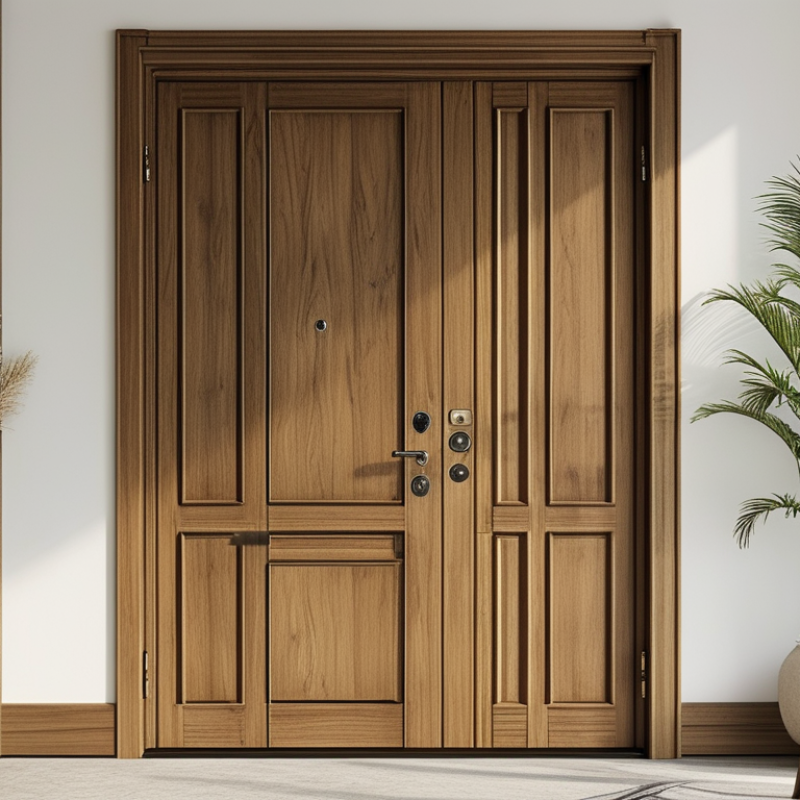
Solid Core vs Hollow Core Doors 5 Tips to Choose the Right One?

Understanding Solid Core and Hollow Core Doors

When choosing between solid core and hollow core doors, understanding their differences is essential. Solid core doors are heavier and denser. They provide better sound insulation and enhanced security. This makes them suitable for interior and exterior applications. Their durability often withstands wear and tear over time. However, they may be more challenging to install due to their weight and may cost more than hollow options.

On the other hand, hollow core doors are lighter and more affordable. They are often used for interior spaces, where sound insulation is not a critical issue. Their design consists of a frame filled with cardboard or thin honeycomb material. While they are easier to handle, they can be less durable. Over time, they may face issues like warping or cracking. When making a choice, consider your needs for soundproofing and security alongside your budget. It's essential to weigh the pros and cons of each door type carefully.

Comparative Analysis of Durability and Security Features

When selecting between solid core and hollow core doors, the durability and security features are crucial. Solid core doors are filled with a solid material, making them significantly heavier and more resistant to impacts. They offer better sound insulation and are harder to break through. In contrast, hollow core doors are lighter and often less expensive, but they provide minimal insulation and security.

Consider your living environment. If you live in a high-crime area, opt for a solid core door. They can withstand forced entry more effectively. For interior doors where noise reduction is key, solid core options excel. However, if you’re on a budget, hollow cores can still serve well for less critical applications.

When assessing these doors, think about long-term durability. Solid doors usually last longer but require proper installation to avoid warping. Hollow doors can be easier to handle but may need replacement sooner. It’s vital to weigh the benefits against your specific needs and circumstances. Make an informed choice.

Assessing Sound Insulation Capabilities of Door Types

When considering sound insulation capabilities, solid core and hollow core doors offer distinct advantages. Solid core doors consist of a solid material, making them denser and more effective at blocking sound. This density provides insulation against noise from both outside and inside your home. In contrast, hollow core doors, while lighter and more cost-effective, may not perform as well in noise reduction.

**Tip:** Think about the noise levels in your area. If you live in a bustling neighborhood, a solid core door may be ideal. It helps create a quieter environment.

While solid core doors shine in their soundproofing capabilities, they can be heavier and more challenging to install. Hollow core doors, on the other hand, are lighter, allowing for easier handling. However, their thinner construction may leave room for noise leakage.

**Tip:** Assess your needs and space. A solid core door can provide durability and sound protection, but consider if the weight suits your door frame and hinges.

Ultimately, it’s critical to reflect on both door types’ qualities. Matching your choice to your home’s context ensures better sound insulation and overall satisfaction.

Evaluating Cost and Installation Factors for Each Option

When choosing between solid core and hollow core doors, evaluating cost and installation factors is crucial. Solid core doors tend to be heavier and made of denser materials, which usually makes them more expensive. Installation can be tricky; you may need professional help. The weight of solid doors can lead to additional costs for framing and hardware. It's a good idea to factor in these potential expenses early in your planning.

Hollow core doors, on the other hand, are often lighter and less expensive. Installation might be simpler given their weight. However, you may compromise on sound insulation and durability. A hollow core door may not hold up as well under pressure. Sometimes, the material choice leads to dents and damage more easily. Evaluating your needs before making a decision is essential. Consider how well each option fits your lifestyle and budget.

Aesthetic Considerations and Design Flexibility in Doors

Choosing the right door can greatly affect the aesthetics of your space. Solid core doors offer durability and soundproofing. They present a classic, elegant appearance. In contrast, hollow core doors are lighter and more budget-friendly. They often come in various finishes, providing flexibility in design.

When considering design, think about the overall decor of your home. Solid core doors can complement rustic or traditional interiors. Their robust nature can also add a sense of security. Hollow core doors suit modern, minimalist designs. They can be painted or stained to match your palette.

Tip 1: Consider the function of the door. If sound insulation is a priority, solid core is likely better. Tip 2: Assess your budget. Hollow core doors can save you money while still offering style. Ensure the door's design aligns with your home's overall aesthetic. Aim for harmony, but don't hesitate to mix styles for a unique look.

Solid Core vs Hollow Core Doors: 5 Tips to Choose the Right One

Aspect Solid Core Doors Hollow Core Doors
Weight Heavier and more sturdy Lighter and easier to handle
Sound Insulation Excellent soundproofing Moderate sound insulation
Durability Highly durable with better resistance Less durable, more prone to dents
Cost Generally more expensive More budget-friendly
Design Flexibility Variety of styles available Limited design options

FAQS

: What are the main factors to consider when choosing between solid core and hollow core doors?

: Consider cost, weight, and installation difficulty. Solid core doors are heavier and often more costly.

Are solid core doors worth the higher price?

They offer durability and sound insulation, which might be valuable depending on your needs.

How does the weight of a door affect installation?

Heavier doors may require professional installation and additional framing, increasing total costs.

What are the advantages of hollow core doors?

They are lighter, less expensive, and can be easier to install, but they may lack durability.

Can hollow core doors provide good sound insulation?

No, they typically do not insulate sound as well as solid core doors.

How do the aesthetics differ between solid and hollow core doors?

Solid core doors offer a classic look, while hollow core doors can match modern designs.

Should my door choice match my home decor?

Yes, choose a door design that complements your space for a harmonious appearance.

Is it possible to mix different door styles in one home?

Yes, blending styles can create a unique look, but ensure they work together visually.

What potential damage can occur with hollow core doors?

They may be prone to dents and damage, especially under pressure.

How important is budget when selecting a door?

Budget is significant; hollow core doors offer savings while still providing style options.

Conclusion

Choosing between solid core and hollow core doors involves understanding their key differences. Solid core doors are constructed with a solid interior, making them more durable and secure, while hollow core doors have a lightweight construction that typically consists of an internal honeycomb structure. This fundamental difference raises questions about their durability and security features, with solid core doors often providing superior protection against impacts and break-ins.

Another consideration is sound insulation, where solid core doors excel due to their denser materials. Cost and installation factors also play a crucial role, as hollow core doors are generally more budget-friendly and easier to install. Lastly, aesthetic preferences can influence your decision, as both door types offer a variety of designs but differ in how they complement various interior styles. In summary, understanding "what is the difference between solid core and hollow core doors" is essential for making an informed choice tailored to your specific needs and preferences.

Oliver

Oliver

Oliver is a seasoned marketing professional with a wealth of expertise in driving brand awareness and engagement. With a deep understanding of our company's product offerings, he consistently delivers high-quality content that enriches our professional blog. His insights not only shed light on......