When it comes to home maintenance, many homeowners overlook their interior wooden doors. However, knowing "When should I replace my interior wooden doors" is crucial. According to a study by the National Association of Home Builders, outdated doors can lead to significant energy efficiency losses. James Anderson, a renowned home improvement expert, emphasizes, “Doors that show wear can compromise a home's insulation and security.”
Signs like warping, cracks, and peeling paint can all indicate it's time for a change. The average lifespan of interior wooden doors is about 30 years. Over time, even minor damage can increase energy costs and impact home aesthetics. A door that no longer closes properly can cause frustration and create security concerns. Homeowners should assess their doors regularly to avoid these issues.
It's also important to reflect on personal style changes. What worked years ago may not fit your current design vision. Consider a replacement when doors no longer match your home's character. This isn't just about practicality; it’s also about enhancing your living space. Keeping an eye on these warning signs can lead to better decisions for your home.
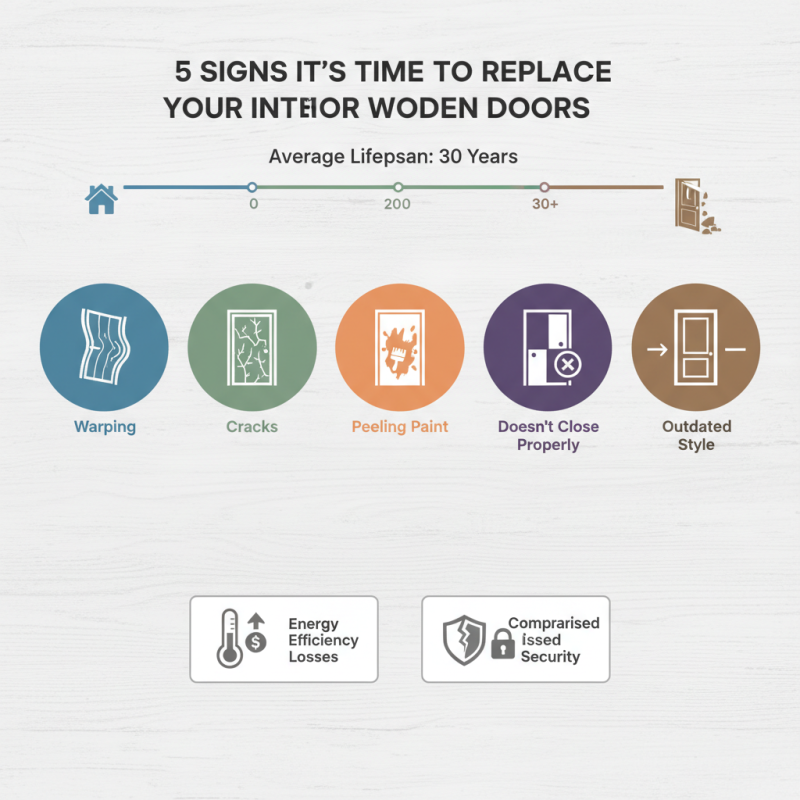
When assessing your interior wooden doors, several key signs indicate it might be time for a replacement. A survey by the National Association of Home Builders revealed that 70% of homeowners replace doors primarily due to wear and tear. Look for visible damage like cracks, warping, or significant scratches. Such signs not only affect aesthetics but can also lead to increased energy costs.
One frequent issue is poor insulation. If your doors are not sealing correctly, cold or hot air can escape. The Department of Energy states that approximately 30% of heating and cooling costs stem from poor insulation. This inefficiency can motivate you to consider new doors that provide better thermal performance.
Another important sign is difficulty in operation. If doors stick or do not close properly, it can be bothersome. Homeowners may not realize that these issues can lead to larger structural concerns in the long run. Frequent repairs might offer a temporary fix but often are not sustainable. It's worth reflecting on the long-term benefits of investing in durable, well-functioning interior doors.
When it comes to interior wooden doors, age plays a crucial role. Doors that are over 20 years old often start showing signs of wear. This aging process impacts both appearance and functionality. You may notice cracks, warping, or fading finishes. Such damage can diminish your home's overall aesthetic appeal. Replacing outdated doors can refresh a space significantly.
Additionally, aging doors may not provide adequate insulation or security. Over time, wooden doors can warp, making them difficult to close properly. Gaps may form, allowing drafts and noise to enter. This not only affects comfort but can lead to higher energy bills. Investing in new doors can enhance both energy efficiency and safety in your home.
It’s essential to evaluate your doors regularly. Look for signs of damage or wear. If you notice multiple issues, it might be time for a replacement. A home’s interior deserves to be both inviting and functional. Recognizing when to replace aging doors can bring a noticeable change in your living environment.
| Sign | Description | Impact of Age | Recommended Action |
|---|---|---|---|
| Cracks and Splits | Visible cracks or splits on the doors. | Doors over 20 years may be more prone to damage. | Replace the door to ensure durability. |
| Warping | Doors that no longer close properly due to warping. | Humidity and age can cause warping. | Consider replacing with a new, stable door. |
| Creaking Noises | Signs of wear, such as creaking when opened and closed. | Older doors may have worn hinges or warping. | Evaluate for replacement if repairs do not work. |
| Peeling Paint or Finish | Visible deterioration of paint or finish on the door. | Aged doors often require more maintenance. | Replace for aesthetic appeal and value. |
| Poor Insulation | Increased energy bills due to drafty doors. | Older models might not be energy efficient. | Invest in energy-efficient replacement doors. |
When it comes to interior wooden doors, signs of wear can indicate it's time for a replacement. Splits and cracks often develop over time due to fluctuating humidity levels and temperature changes. A door that once fit snugly may start to warp, leaving gaps that can affect energy efficiency. Even a slight crack can evolve into a larger problem, compromising the door's structure and aesthetics.
Water damage frequently presents itself as discoloration or swelling. Wooden doors are particularly susceptible to this issue. A heavily saturated door may begin to lose its finish, appear warped, and even develop mold. These visible signs suggest deeper moisture issues within your home. Regular checks can keep your home safe and maintain its charm.
Considering these details can help homeowners make thoughtful decisions about their doors. Don't ignore these subtle signs. They often signal that your once sturdy wooden doors may no longer serve their purpose effectively. It’s essential to reflect on the overall condition of your doors and how they impact your living space.
Upgrading your interior wooden doors can lead to significant energy efficiency improvements. Research from the U.S. Department of Energy shows that doors account for up to 10% of heat loss in homes. When wooden doors warp or deteriorate, they create gaps that allow conditioned air to escape. This inefficiency can result in higher energy bills each month.
Investing in new, well-insulated doors not only enhances comfort but also reduces energy consumption. According to a study by the National Renewable Energy Laboratory, replacing older doors with energy-efficient options can save homeowners up to 15% on heating and cooling costs annually. Well-fitted doors also improve indoor air quality by preventing drafts and minimizing moisture issues. Remodeling projects like these yield a high return when evaluated for home efficiency upgrades.
However, it’s important to assess what specific improvements need to be made. Not all doors offer the same insulation properties. Users may overlook the types of materials and their ratings. Seeking professional advice can help identify which options maximize benefits without overspending. Each decision should consider long-term sustainability, not just immediate aesthetics or costs. Only through careful selection can homeowners ensure that they truly enhance their energy efficiency.
In modern interiors, the aesthetic appeal of wooden doors cannot be overstated. According to a recent survey by the National Association of Home Builders, over 40% of homeowners prioritize visual appeal when choosing interior doors. Sleek, contemporary designs enhance not only the beauty of a room but also its overall ambiance. Flat-panel doors, for instance, become a canvas for creative finishes, playing a pivotal role in defining space.
While ensuring striking designs, the functionality of doors must also be considered. The doors should fit seamlessly with the room's character. A report by the American Institute of Architects notes that 70% of architects believe that cohesive design elements improve the perceived value of a home. Using modern styles can elevate spaces but may not suit every home’s character. Therefore, careful thought goes into selecting designs that complement existing décor.
Challenges arise when old doors clash with new aesthetics. Replacing worn wooden doors may appear daunting, yet it opens opportunities for design exploration. Modern trends encourage mixing materials, such as glass and metal. Striking the right balance between innovation and tradition is crucial. Investing in design can reflect personal taste, but it’s important to maintain a cohesive vision throughout the space.
: Check for signs like cracks, warping, or fading finishes. If there are multiple issues, consider replacing them.
Aging doors might not provide proper insulation and security. They often create drafts and can increase energy bills.
Doors account for up to 10% of heat loss in homes. Gaps from wear can let conditioned air escape.
New doors improve comfort and reduce energy costs. They can save up to 15% on heating and cooling annually.
Yes, professional input helps identify the best options for insulation and functionality without overspending.
Different materials have varying insulation properties. Not all options maximize energy efficiency.
Yes, well-fitted doors minimize drafts and moisture issues, enhancing overall air quality inside your home.
Ignoring damaged doors can lead to greater energy inefficiency and increased repair costs over time.
The potential return on investment varies. Assess long-term efficiency versus immediate aesthetic appeal before deciding.
While it's a key step, consider other areas in your home that may also need improvement for better overall efficiency.
When should I replace my interior wooden doors? Identifying the right time to update your doors is crucial, especially after they have been in use for over 20 years. Signs of deterioration like splits, cracks, and water damage can indicate that a replacement is necessary to maintain the integrity of your home. Additionally, older doors may not provide adequate insulation, leading to higher energy costs.
Upgrading to new interior doors not only improves energy efficiency but also enhances the overall aesthetics of your space. Modern designs offer a fresh look while contributing to the comfort and functionality of your home. By recognizing these signs and understanding the benefits of replacing your doors, you can make informed decisions that enhance both the beauty and efficiency of your interior spaces.

Weston Door