Restore Your Old Sun Damaged Wooden Door with These Tips?

Time:2026-08-17 Author:Oliver
0%

Sun exposure can severely damage wooden doors, leading to fading and warping. According to the American Hardwood Information Center, UV rays can cause significant deterioration in wood finishes. This makes knowing how to restore an old sun-damaged wooden door essential for homeowners.

Restoring these doors not only enhances the beauty of your home but also extends the life of your investment. A report from the Wood Products Council states that properly maintained wooden doors can last up to 30 years longer than neglected ones. However, restoration requires patience and the right techniques. It's crucial to evaluate the extent of the damage first.

You may find peeling paint or uneven surfaces. Each door tells a story, but those stories must be told with care. The restoration process can be messy and time-consuming. Don’t overlook the importance of using quality materials. Duplicating the original finish can be challenging, and sometimes results may not meet expectations. Yet, the right approach makes a significant difference in reviving your door's charm. Explore how to restore an old sun-damaged wooden door and revive its former glory.
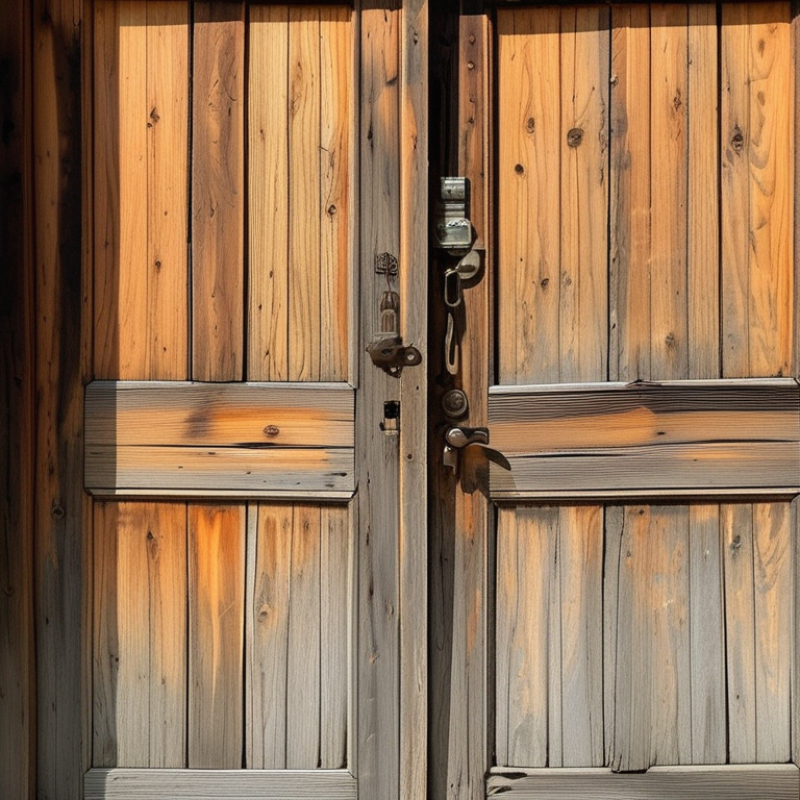
Restore Your Old Sun Damaged Wooden Door with These Tips?

Assessing the Condition of Your Sun-Damaged Wooden Door

Assessing the condition of your sun-damaged wooden door is essential for restoration. Start by examining the surface for discoloration and fading. Look for cracks or warping that sunlight may have caused over time. Touch the wood to check for softness, indicating potential rot. Feel free to take a close-up photo to document visible damage.

For effective restoration, clean the door thoroughly. Use a gentle wood cleaner to remove dirt and grime. Applying a wood moisture meter can help you determine if the door has absorbed excess moisture. This will guide your next steps.

You may want to sand the surface lightly to eliminate rough patches. This will prepare the door for finishing products. Consider applying a UV-protective seal or stain. Be aware that achieving a perfect finish often requires practice. Over-application could lead to an uneven appearance. Remember, it’s a process. Take your time to ensure the best result.

Choosing the Right Cleaning Supplies for Restoration

Restoring an old sun-damaged wooden door requires the right cleaning supplies. Choosing these supplies thoughtfully is crucial. Industry experts suggest using a mild soap or wood cleaner, as harsh chemicals can worsen the damage. A study by the American Wood Council highlights the importance of pH-balanced products for maintaining wood integrity.

In your restoration process, consider using soft scrub brushes. They can remove dirt without scratching the surface. Remember, the wrong brush can create deeper gouges. Try testing the cleaner on a small area first. This step ensures that your chosen products won't create more issues later.

Always keep a microfibre cloth handy. It’s excellent for applying oil or polish. However, excessive moisture can damage the wood, so dampen the cloth lightly. A report from the National Wood Flooring Association states that moisture control is key in wood care. Prioritize your supplies—what works for one type of wood may not work for another. Be patient, as the restoration process can take time. Each step contributes to the overall improvement of your door’s appearance.

Step-by-Step Techniques for Sanding and Repairing Wood

Restoring your old, sun-damaged wooden door can seem daunting. However, with the right techniques, you can bring it back to life. Sanding and repairing wood requires patience. Start by assessing the damage. Look for cracks, peeling paint, and faded surfaces.

To begin sanding, use medium-grit sandpaper. This will help remove the old finish and smooth out rough areas. Make sure to go with the grain of the wood. Working against it can cause more damage. After the initial pass, switch to fine-grit sandpaper for a polished look. Clean the door thoroughly afterward. Dust can cause imperfections in the finish.

Repairing cracks is essential for a good restoration. Fill any gaps with wood filler. Be generous, but ensure it’s not excessive. Once it dries, sand it down to blend with the door. If you notice uneven areas after sanding, revisit them. It's okay to take your time in this process. Rushing can lead to a less than perfect finish. The goal is to achieve a smooth, attractive surface that revives the door’s character.

Wood Restoration: Effects of Sun Damage Over Time

This chart illustrates the increasing level of sun damage to wooden doors over a period of five years, providing insights into the importance of restoration efforts and maintenance.

Applying Stain and Finish to Restore Original Beauty

Restoring sun-damaged wooden doors can breathe new life into your home. To achieve an original beauty, applying stain and finish is crucial. A study by the National Wood Flooring Association highlights that wood surfaces can lose up to 80% of their initial luster due to UV exposure. This makes timely restoration essential for both aesthetics and longevity.

Begin by assessing the level of damage. Look for fading, discoloration, or peeling. A light sanding can remove old finishes and reveal fresh wood. Keep in mind that imperfections may remain; the goal is to enhance the wood's natural character. Choosing the right stain can significantly impact the look. Opt for a penetrating oil-based stain for deeper absorption and a richer finish. According to industry experts, this approach offers better protection against moisture and UV rays.

Sealing the stain is the next step. Apply a high-quality polyurethane finish for durability. Reports show that multiple coats can enhance sheen and preservation. However, perfection is not always achievable. You may notice uneven tones or texture; these may reflect the wood's journey. Embrace these quirks as part of the door's story. Regular maintenance can help mitigate future wear, keeping your door looking beautiful for years.

Tips for Maintaining Your Newly Restored Wooden Door

Restoring your wooden door isn’t just about aesthetics; it’s also about preservation. Wood can be vulnerable to sun damage, resulting in fading and splintering. According to the U.S. Forest Service, proper maintenance can extend the lifespan of wooden doors by up to 20 years. Regular inspections are crucial. Look for signs of wear, such as cracks or discoloration. Address issues promptly to prevent further damage.

After restoring your door, maintaining its condition is essential. Use a high-quality sealant to protect the wood from moisture and UV rays. Report from the Wood Industry Association highlights that applying sealants every two to three years can significantly reduce deterioration. Regular cleaning with a mild soap and water solution will also help retain its shine without harming the finish.

It’s important to reflect on past neglect. Many homeowners overlook their wooden doors, leading to irreversible damage. Setting reminders for maintenance tasks can create a proactive approach. A little attention now can save bigger repairs later. Reinforcing your commitment to regular upkeep can ensure that your door remains a sturdy and beautiful entryway for years to come.

Restore Your Old Sun Damaged Wooden Door with These Tips - Tips for Maintaining Your Newly Restored Wooden Door

Tip Description Frequency Tools Needed
Clean Regularly Dust and clean your door every few weeks to prevent dirt buildup. Every 2 Weeks Soft Cloth, Mild Soap
Inspect for Damage Look for cracks, splits, or signs of warping in your wooden door. Monthly None
Apply UV Protection Use a UV protective finish or varnish to preserve the color and integrity. Every 1-2 Years Brush, UV Protection Finish
Re-stain or Re-finish Re-stain the door to enhance its appearance and provide additional protection. As Needed Sandpaper, Stain, Brush
Seal Edges Seal the edges of the door to prevent moisture absorption. Every Year Sealant, Brush

FAQS

: How do I start restoring my wooden door?

: Begin by assessing the damage. Look for cracks and peeling paint.

What type of sandpaper should I use for sanding?

Use medium-grit sandpaper to remove the old finish. Follow with fine-grit sandpaper for a smooth look.

Should I sand against the grain of the wood?

No, always sand with the grain. Sanding against it can cause more damage.

How do I repair cracks in the wood?

Fill cracks with wood filler. Be generous but avoid excess. Sand it down once dry for blending.

Can I achieve a perfect finish after sanding and repairing?

Perfection is hard. Imperfections may remain, but aim for a smooth and attractive surface instead.

What is the importance of applying stain?

Stain enhances the wood's natural beauty. It also protects against moisture and UV exposure.

What kind of stain should I choose?

Opt for a penetrating oil-based stain. It absorbs deeper and provides a richer finish.

Is it necessary to seal the stain?

Yes, sealing with a high-quality polyurethane finish protects the wood. Multiple coats enhance durability.

What if my door has uneven tones after finishing?

Uneven tones can reflect the wood's history. Embrace these quirks as part of its character.

How can I maintain the restored door?

Regular maintenance is essential. This helps reduce future wear and preserves the door's beauty.

Conclusion

If you’re wondering how to restore an old sun-damaged wooden door, start by thoroughly assessing its condition. Look for signs of discoloration, warping, or cracks that may need special attention. Choosing the right cleaning supplies is crucial to preparing the surface for restoration. Opt for wood-friendly cleaners that will not cause further damage.

Once cleaned, follow step-by-step techniques for sanding and repairing the wood, which may include filling in cracks and smoothing rough spots. After preparation, applying stain and finish will help to restore the door’s original beauty, enhancing its visual appeal. Finally, to maintain your newly restored wooden door, consider regular cleaning and the application of protective finishes to help resist future sun damage. With these tips, you can effectively revive your door and preserve its charm for years to come.

Oliver

Oliver

Oliver is a seasoned marketing professional with a wealth of expertise in driving brand awareness and engagement. With a deep understanding of our company's product offerings, he consistently delivers high-quality content that enriches our professional blog. His insights not only shed light on......