How to remove old varnish from a carved wooden door easily?

Time:2026-06-04 Author:Sienna
0%

Removing old varnish from a carved wooden door can be a daunting task. Many homeowners face challenges when trying to restore their wooden fixtures. The intricate details of carved wood require special attention. Knowing "how to remove old varnish from a carved wooden door" is crucial for a successful restoration.

When you start this process, consider the tools and methods you’ll use. Chemical strippers can be effective, but they may damage the wood if not applied carefully. Sanding is another option, yet it can remove the carved details if done improperly. Each approach has its pros and cons, and it’s essential to evaluate what works best for your door.

Experience plays a significant role in achieving the desired outcome. You might encounter difficulties, such as stubborn varnish that refuses to budge. Reflecting on mistakes from past attempts can offer valuable insights. Take your time and approach the task with patience. Only then can you appreciate the true beauty of your carved wooden door once more.
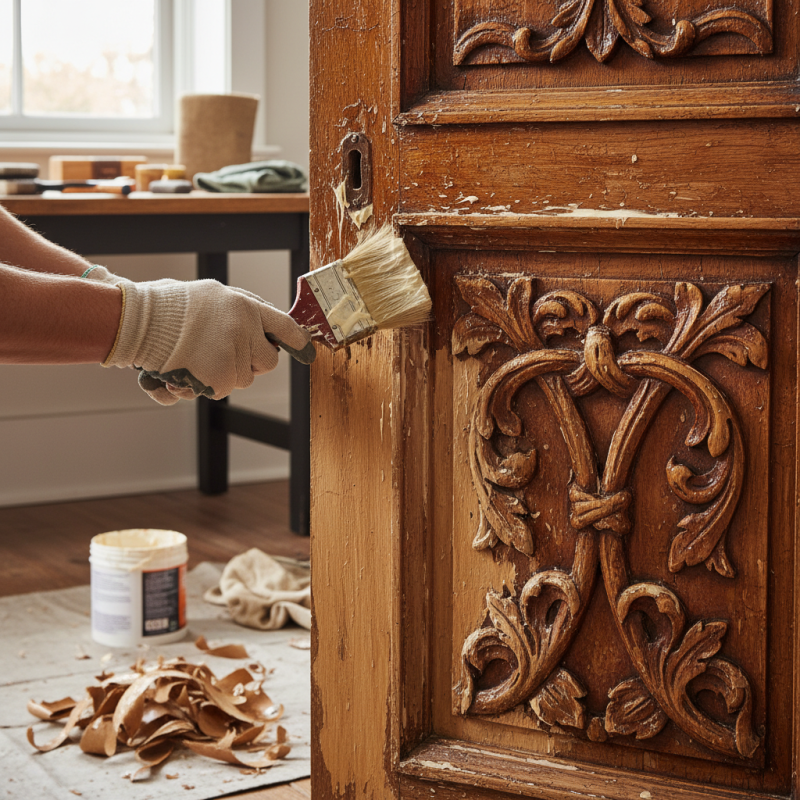
How to remove old varnish from a carved wooden door easily?

Tools and Materials Needed for Varnish Removal from Wood

When removing old varnish from a carved wooden door, having the right tools is crucial. Begin with a heat gun or a paint stripper, which can effectively loosen the varnish.

Gloves are essential to protect your hands from chemicals. Sandpaper, ranging from coarse to fine grit, helps in smoothing the wood without damaging carvings. A putty knife can assist in scraping off the loosened varnish.

You may also need mineral spirits for cleaning the surface after stripping. Keep a soft cloth handy for wiping away residues. A dust mask is important, as dust particles and fumes can be harmful. Make sure to work in a well-ventilated area to ensure safety.

While these tools are widely available, achieving a perfect finish often requires practice. Some may find certain areas challenging due to intricate details in carvings. Take your time and revisit stubborn spots. It's normal to face hiccups in the process. Adjust your technique based on the wood's reactions. Make sure to evaluate your progress as you go.

Understanding Different Types of Varnish and Their Properties

Understanding the different types of varnish is essential for anyone looking to remove old finishes from a carved wooden door. Varnishes can be categorized mainly into oil-based, water-based, and polyurethane varieties. According to industry reports, oil-based varnishes have long drying times but provide a durable and glossy finish. In contrast, water-based varnishes dry quickly and are less toxic. However, they may not offer the same level of durability. Polyurethane varnishes, known for their resilience, can withstand wear but can be challenging to remove due to their chemical structure.

When dealing with varnish removal, recognizing the specific type on your door makes a considerable difference. Oil-based varnishes often require solvents like mineral spirits for effective removal. This process can be messy and may raise questions about environmental safety. Water-based finishes are generally easier to strip, but improper techniques can lead to damage. Learning to identify the appropriate method is crucial. Professionals recommend testing a small area first to gauge how the wood reacts, ensuring that your beloved door retains its charm while shedding layers of wear and tear.

How to remove old varnish from a carved wooden door easily? - Understanding Different Types of Varnish and Their Properties

Varnish Type Properties Removal Method Recommended Tools
Nitrocellulose Varnish Fast-drying, clear finish, good adhesion Sanding or using a solvent Sandpaper, Acetone
Polyurethane Varnish Durable, water-resistant, thick finish Heat gun or chemical stripper Heat gun, Chemical stripper
Oil-based Varnish Rich color, long drying time, yellowing over time Sanding and using mineral spirits Sandpaper, Mineral spirits
Water-based Varnish Low odor, quick drying, clear finish Sanding or using a wet cloth Sandpaper, Water

Step-by-Step Process for Safe Varnish Removal

Removing old varnish from a carved wooden door requires patience and care. Start by choosing the right tools, including a putty knife and sandpaper. According to a 2023 report by the Wood Finishing Institute, improper techniques can damage the wood, so always test on a hidden area first. This allows you to understand how the wood reacts to the removal process.

Begin the removal by applying a chemical stripper. The report indicates that less than 20% of people use the correct application techniques. That can lead to uneven results or even damage. After a few minutes, use the putty knife carefully to lift the old varnish away. Be gentle. After scraping, sand the surface with fine-grit sandpaper to smooth imperfections. Dust should be removed with a tack cloth.

Post-removal, inspect the wood closely. Look for areas that may need more attention. It’s common to miss spots, especially in carved areas. Maintaining a detailed approach ensures you achieve a clean finish. A thorough check improves the reliability of your work. Remember that perfection takes time and reflection. Always strive for improvement in your technique.

Old Varnish Removal Steps Efficiency

Techniques to Preserve Carvings While Stripping Varnish

Removing old varnish from a carved wooden door requires careful techniques to preserve intricate details. Start by gathering tools like a soft brush, scraper, and fine-grit sandpaper. Instead of chemical strippers that can damage carvings, consider using heat guns or steamers. These methods loosen varnish without harsh chemicals. Apply heat carefully to avoid scorching the wood.

When scraping, use a gentle touch. It’s easy to unintentionally gouge delicate carvings. Work slowly and focus on one area at a time. If you notice any paint buildup in crevices, a toothbrush can help. For stubborn spots, fine-grit sandpaper is useful but requires patience. Sand lightly to avoid altering the shape of your carvings.

After stripping, examine the door closely. Look for areas needing extra attention. Some chips or scratches may appear during the process, prompting reflection on restoration techniques. You might consider wood fillers or retouching markers for touch-ups. It's crucial to test any finishing product in an inconspicuous spot first. This helps ensure that the final finish complements the wood beautifully without distorting its character.

Proper Disposal of Old Varnish and Chemicals After Removal

When removing old varnish from a carved wooden door, it’s crucial to handle the leftover materials properly. Old varnish and strippers contain chemicals that can be hazardous. Disposing of them carelessly can lead to environmental harm. Understanding local regulations is essential. Many areas have specific disposal guidelines for hazardous waste.

Sealing old varnish in a container for safe transportation is a good practice. Contact local waste management for advice on disposal sites. Some places offer hazardous waste collection days, which can help you get rid of these materials responsibly. Always wear gloves during the disposal process. Protect yourself from skin contact with harmful substances.

Consider finding a facility that recycles these materials. Not all areas have this option, which limits choices. If recycling isn't available, make sure to follow all safety precautions. It’s important to keep the environment in mind, even when tackling home improvement projects. Reflecting on our disposal methods allows us to act more responsibly. This awareness can inspire better practices in future renovations.

FAQS

: What tools are needed for varnish removal?

: Use a putty knife and fine-grit sandpaper.

Why is it important to test in a hidden area?

It helps understand how the wood reacts to removal methods.

What happens if application techniques are incorrect?

It can lead to uneven results or damage to the wood.

How should I apply the chemical stripper?

Apply carefully and ensure proper techniques to avoid harm.

Why inspect the wood after removal?

It's common to miss spots, especially in detailed areas.

How should I dispose of leftover varnish?

Seal it in a container and check local hazardous waste regulations.

What safety precautions should I take during disposal?

Always wear gloves to protect against harmful substances.

Can varnish materials be recycled?

Some areas offer recycling, but it's not universally available.

What can reflecting on disposal methods achieve?

It encourages responsible actions during home projects.

How does perfection relate to varnish removal?

It takes time, patience, and reflection to improve techniques.

Conclusion

In the guide titled "How to remove old varnish from a carved wooden door easily," readers will find essential tools and materials needed for the varnish removal process, along with an overview of different types of varnish and their properties. The article outlines a step-by-step process for safely stripping the varnish, ensuring that the integrity of the carvings is maintained through specific techniques designed to preserve the intricate designs while minimizing damage.

Moreover, the article emphasizes the importance of properly disposing of old varnish and chemicals after removal to adhere to environmental safety standards. This comprehensive approach not only educates homeowners on how to remove old varnish from a carved wooden door but also guides them to do so in a responsible manner, ensuring the longevity and beauty of their wooden features.

Sienna

Sienna

Sienna is a skilled marketing professional with a deep expertise in our company’s core products and services. With a passion for innovation and detail, she plays a pivotal role in crafting insightful blog posts that not only highlight the unique features of our offerings but also provide valuable......