Why is there a gap between my door and the floor? This question resonates with many homeowners. A report by the National Association of Home Builders highlights that nearly 70% of houses experience this issue. The gap can arise from various factors, including settling foundations, humidity changes, and improper installation.
Over time, houses shift and settle. This natural process can create noticeable gaps. In addition, seasonal humidity changes can cause materials to expand or contract. According to the American Society of Home Inspectors, misalignment during the installation often leads to these persistent gaps.
Understanding these reasons can help homeowners address the issue effectively. Ignoring the gap may lead to increased energy costs or pest invasion. It’s essential to explore solutions like weatherstripping or adjustments by a professional. Ultimately, knowing why the gap exists empowers homeowners to make informed decisions.
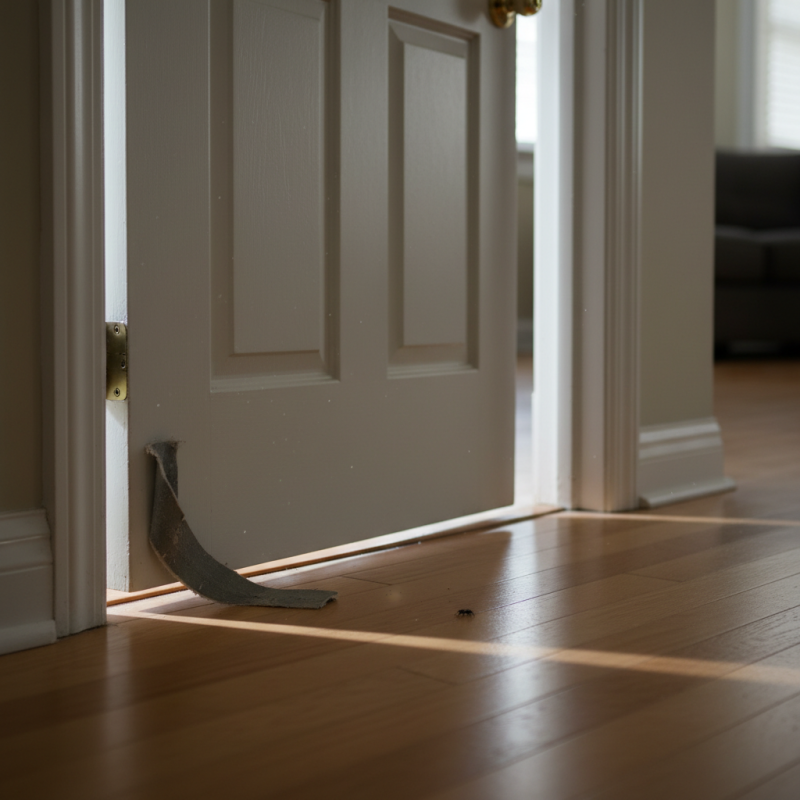
Gaps between your door and floor can be both frustrating and concerning. Many homeowners notice these issues but may not understand their causes. One common factor is the shifting foundation. As homes settle over time, the structural components can misalign, leading to unsightly gaps.
Another contributor is humidity. Changes in moisture levels can cause wood doors and frames to swell or shrink. In humid climates, doors may expand, creating a noticeable gap at the bottom. Conversely, during dry months, they can contract, leaving even larger spaces. Seasonal changes play a significant role in this process, affecting the quality of your doors.
Additionally, improper installation can lead to gaps. If a door is not correctly hung, it may not align with the frame. This misalignment often results in uneven spaces. Regular inspections can identify these issues early, ensuring your doors function as intended. While gaps might seem small, they can invite drafts and pests, impacting your home's comfort.
This chart displays the common factors contributing to the gaps between doors and floors, highlighting the significance of each reason.
Building settling can significantly impact door alignment. Over time, settling occurs as soil beneath a structure shifts, often due to moisture changes or landscape modifications. As a result, doors may rise or fall, leading to gaps between the door and floor. According to the American Society of Home Inspectors, improper settling can create issues in up to 25% of homes.
This misalignment can lead to various problems. If a door doesn’t close properly, it may increase energy costs by allowing drafts to enter. Over time, this may cause strain on the door hinges, leading to costly repairs. Inspectors recommend checking the alignment of doors along with other structural elements during routine assessments.
Tip: Regularly inspect door gaps and frame alignment. If you notice significant changes, consider consulting a structural engineer. Monitoring can help you identify potential issues early.
In some cases, the alignment may correct itself over time. Other times, additional support beams or foundation work might be necessary. Each home is unique, and conditions vary. Understanding the underlying causes of settling is essential for effective solutions.
Tip: Keep an eye on door functionality during seasonal changes. Weather shifts can exacerbate alignment issues. Early identification is key to preventing further complications.
Humidity and temperature changes significantly affect the fit of your doors. When humidity rises, doors can swell or expand. This swelling often results in gaps between the door and the floor. It’s frustrating to discover these gaps, which can lead to drafts and energy loss.
Conversely, during dry spells, wooden doors may shrink. This shrinking creates larger gaps, allowing air and moisture to flow through. These changes are more than just inconveniences. They can impact your home's energy efficiency. An improperly sealed door may lead to higher heating and cooling costs. It's essential to monitor humidity levels in your home and address any issues promptly.
Proper maintenance can help mitigate these problems. Regularly checking hinges and seals can reduce the risk of excessive gaps. A well-fitted door not only enhances energy efficiency but also contributes to a more comfortable living space. Remember, gaps can appear unexpectedly, so stay vigilant about your door's condition.
| Reason | Description | Impact of Humidity | Impact of Temperature |
|---|---|---|---|
| 1. Warping | Wood can warp due to high humidity, causing gaps at the floor. | High humidity levels can lead to expansion. | Extreme temperature changes may accelerate warping. |
| 2. Settling | Foundations can settle unevenly over time. | Humidity can affect the ground beneath. | Temperature shifts can exacerbate settling issues. |
| 3. Improper Installation | Incorrectly aligned doors can create gaps. | Humidity can cause movement in materials. | Temperature changes may worsen alignment. |
| 4. Aging Materials | Years of wear can lead to gaps. | High humidity can accelerate material degradation. | Temperature extremes can weaken door structures. |
| 5. Seasonal Changes | Seasons can cause wood to contract and expand. | High humidity can cause seasonal swelling. | Cold can lead to contraction of materials. |
| 6. Moisture Issues | Water leaks can damage door frames. | Increased humidity levels raise moisture presence. | Temperature can affect moisture evaporation. |
| 7. Pest Infestation | Insects can compromise door structure. | High humidity promotes pest activity. | Temperature can influence pest population dynamics. |
| 8. Poor Quality Materials | Inferior materials can warp or break. | Humid conditions worsen material performance. | Temperature fluctuations affect material lifespan. |
| 9. Inconsistent Maintenance | Neglecting door upkeep can create issues. | Humidity impacts door maintenance needs. | Temperature effects require regular checks. |
| 10. Environmental Factors | Surrounding conditions impact door stability. | Humidity can alter ground conditions. | Temperature interacts with other environmental variables. |
Doors and floors typically align neatly, but over time, wear and tear can cause misalignment. Hardware is often the culprit. Hinges, for example, may weaken, leading to gaps between the door and floor. This gap can allow drafts, pests, and noise to enter your space. Regular maintenance is key to keeping things aligned.
Misalignment may also occur due to improper installation. Even minor slip-ups can create noticeable gaps. As seasons change, humidity can affect door materials. Wooden doors may expand and contract, causing further misalignment. Homeowners might overlook these details, but they can lead to larger issues over time.
Addressing these issues requires a keen eye. Inspect your hardware and look for signs of wear. Loose screws can also contribute to gaps. Sometimes, a simple tightening can resolve the problem. In other cases, replacement may be necessary. Stay proactive to ensure doors fit snugly against the floor. The right care can prevent larger problems down the road.
When it comes to door installation, the positioning can greatly affect how a door fits. The gap between your door and the floor is a common issue, often stemming from installation quality. Poor alignment during installation can create an uneven surface. This may lead to gaps that allow drafts and pests to enter your home.
Installation expertise is crucial for proper door positioning. Skilled installers measure the frame accurately and account for floor unevenness. An attention to detail helps ensure that doors swing freely without obstruction. An improperly installed door not only looks unappealing but may also compromise security.
Reflecting on installation quality is essential for homeowners. Simple adjustments, like adding shims or adjusting hinges, can make a noticeable difference. Yet, many overlook these small yet important fixes. Taking the time to assess your door’s fit can lead to better insulation and enhanced aesthetics in your home. Every detail matters, and a well-fitted door can elevate your living space.
: Door misalignment can be caused by building settling, humidity changes, and poor installation quality.
Building settling may create gaps between the door and floor, leading to improper closure and drafts.
A misaligned door can increase energy costs, cause strain on hinges, and require costly repairs.
Regularly inspect gaps and frame alignment. Look for noticeable changes in door functionality.
Consult a structural engineer if you notice significant alignment changes or if gaps appear.
High humidity can cause doors to swell, while dry conditions may lead to shrinking, creating gaps.
Regularly check hinges and seals, and properly maintain the door's fit to enhance energy efficiency.
Poor installation can create uneven surfaces, leading to gaps that allow drafts and pests to enter.
Yes, simple adjustments like adding shims or adjusting hinges can improve door alignment.
Homeowners often overlook small adjustments that can significantly enhance door insulation and appearance.
The article "Top 10 Reasons for the Gap Between Your Door and Floor" addresses a common concern for homeowners: "Why is there a gap between my door and the floor?" Several factors contribute to this issue, including common environmental influences such as humidity and temperature changes that can cause doors to expand or contract. Additionally, the settling of a building over time plays a significant role in altering door alignment, leading to noticeable gaps.
Wear and tear on door hardware can also lead to misalignment, while the quality of installation throughout the door's lifecycle is crucial in maintaining its proper positioning. Understanding these factors can help homeowners identify the root cause of door-to-floor gaps and explore potential solutions to restore alignment and functionality within their homes.

Weston Door