How to Paint a Wooden Door Without Brush Marks Easily?

Time:2026-05-05 Author:Aria
0%

Painting a wooden door can seem daunting. Many people struggle with achieving a smooth finish. "How to paint a wooden door without brush marks" is a common question among DIY enthusiasts. Brush marks can ruin an otherwise perfect job.

To avoid this, preparation is key. Start with a clean and sanded surface. Choosing the right paint and tools is also crucial. High-quality brushes or rollers can make a big difference. However, even with the best tools, mistakes can happen. Over-brushing, for example, can leave noticeable marks. It’s essential to work in manageable sections.

Patience is vital in this process. Allow each coat to dry fully before applying the next. It's easy to get eager and rush through it. Reflect on your technique as you go. Learning from imperfections will lead to improvement. Remember, practice makes perfect. Each attempt will bring you closer to achieving that flawless finish.
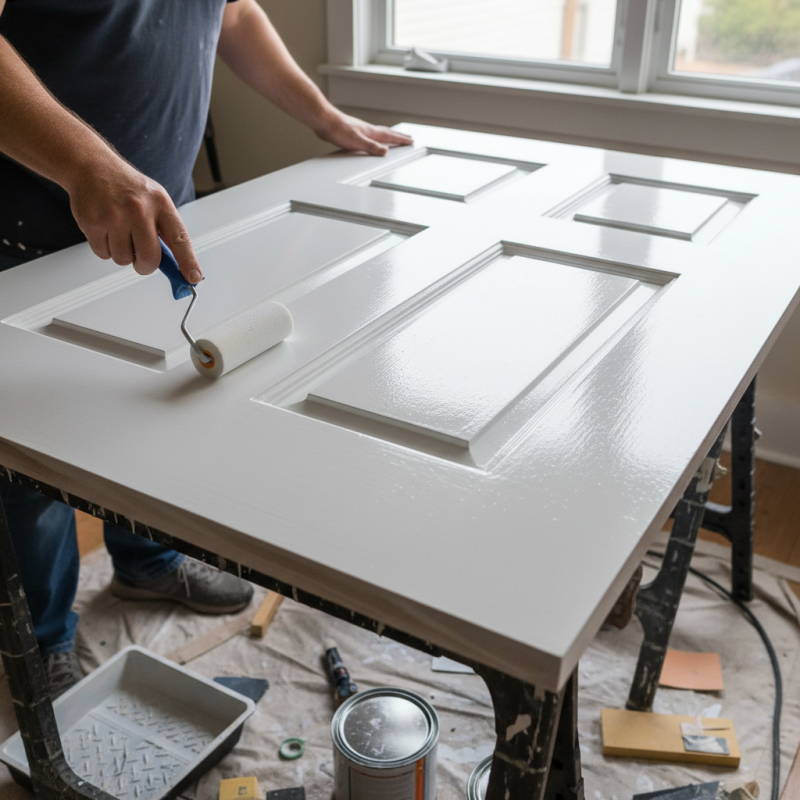
How to Paint a Wooden Door Without Brush Marks Easily?

Choosing the Right Type of Paint for a Wooden Door: Key Considerations

Choosing the right paint for a wooden door is crucial for achieving a smooth finish. The type of paint affects not just the color, but also the application process. According to a recent industry survey, 73% of homeowners prefer water-based paints for interior doors. These paints dry quickly, making them ideal for a project to avoid unwanted marks. However, they may require multiple coats for optimal coverage.

When considering paint finish, satin or semi-gloss options are popular. They reflect light well and help hide imperfections on the surface. A report from the Home Improvement Research Institute indicates that semi-gloss finishes are increasingly chosen for their durability and ease of cleaning. Weighing the advantages is essential. While high gloss offers shine, it can reveal flaws in the wood. Poor application technique can lead to visible brush strokes, an outcome many want to avoid.

Preparation is key. A well-sanded surface allows for better paint adhesion, reducing touch-up needs. Many DIY enthusiasts overlook proper preparation. However, skipping this step can lead to regrets later. Rushing through the painting process can lead to imperfections that are hard to fix. Not only does the right paint contribute to aesthetics, but it also ensures longevity. In addition, investing time in selecting the paint can result in a more satisfying outcome.

Essential Tools for a Smooth Finish: Rollers, Brushes, and Spray Guns

When painting a wooden door, the finish quality can significantly depend on the tools used. Rollers, brushes, and spray guns offer distinct advantages. A recent industry report indicated that using a spray gun can reduce painting time by up to 30%. It also minimizes the risk of brush marks, ensuring a smooth finish that many homeowners desire.

Rollers can be efficient for larger surfaces. They help to achieve an even coat while minimizing drips. However, achieving precision around edges may require a brush. Choosing the right brush, such as a synthetic filament brush, is essential for oil-based paints. These brushes help in achieving a cleaner line and better penetration into the wood grain.

Tips: Always use a primer before painting. This can seal the wood, prevent absorption, and ensure durability. Thin your paint slightly; it allows for better flow, reducing brush and roller marks. Test your method on a hidden area first to see how the finish turns out. Adjust your technique based on this preference. Keep in mind that practice makes perfect. Don’t rush, as imperfections can often occur, and patience will yield improvement over time.

How to Paint a Wooden Door Without Brush Marks Easily? - Essential Tools for a Smooth Finish

Tool Type Description Best Use Pros Cons
Rollers A foam or fabric roller used for applying paint quickly over a large surface. Large flat areas of the door. Fast application, minimal brush marks. Can leave texture if not used correctly.
Brushes Brushes with synthetic or natural bristles for detailed work. Edges, corners, and intricate designs. Precision in detail work. Risk of brush marks if not applied evenly.
Spray Guns A device that sprays paint evenly onto surfaces using air pressure. Smooth finishes on flat surfaces. Professional-level finish, no brush marks. Requires practice and setup; overspray can occur.
Sandpaper A tool for smoothing surfaces before painting. Preparation of the door surface. Removes old finish and imperfections. Can create dust; may require multiple grits.
Drop Cloths Protective covering for the floor and adjacent surfaces. Keeping the workspace clean during painting. Prevents paint spills and stains. May need to be secured to prevent movement.

Preparing the Wooden Surface: Techniques to Minimize Brush Marks

Preparing a wooden surface properly is crucial for a smooth paint job. Start by cleaning the door thoroughly. Use a mild detergent to remove dirt and grease. A clean surface ensures better paint adhesion.

Sanding the wood is essential. Use fine-grit sandpaper to create a smooth finish. Sanding not only removes imperfections but also opens up the grain. This process minimizes the chance of brush marks appearing after painting. Wipe away dust with a damp cloth to ensure a clean surface for painting.

Tips: Pay close attention to any knots or rough areas. These can cause uneven paint application. You might consider using wood filler for deep imperfections. Before painting, apply a primer. A good primer helps in preventing brush marks and provides a uniform surface. Take your time during the preparation phase. Rushing can lead to mistakes that may be hard to fix later.

Applying Paint Evenly: Strategies for Achieving a Flawless Finish

Painting a wooden door without leaving brush marks can be a challenge. Achieving a flawless finish requires attention to detail and specific strategies. One effective approach is to choose the right paint. Opt for high-quality, self-leveling paints. These types often help minimize imperfections by smoothing out during the drying process.


Tips: Always prepare your door surface well. Sand it lightly to create a smooth base. Cleaning the surface ensures that paint adheres properly. A thorough clean can make all the difference. Ensure that you fill any cracks or holes beforehand. This step is essential for achieving that clean look.

When applying paint, consider using a roller instead of a brush. Rollers can distribute paint evenly, reducing streaks and roller marks. Use a high-density foam roller for a smoother finish. Avoid overloading the roller. Too much paint can drip and create a mess. Instead, apply thin layers. Allow each coat to dry before adding another layer for the best results. Touch-ups can reveal imperfections, so inspect your work closely. A little patience goes a long way in the painting process.

Drying and Curing: Importance of Proper Drying Times in Painting Projects

When painting a wooden door, proper drying times are crucial. Skipping these can lead to unsightly brush marks and an uneven finish. After each coat, give your paint enough time to dry completely. This might mean waiting several hours or even a full day, depending on the type of paint used and environmental conditions. High humidity can slow down the drying process, so keep that in mind.

Tips: Use a fan to improve air circulation while painting. This helps the paint dry quicker and more evenly. Always check the paint can for specific drying times and ideal conditions.

Curing is different from drying. While paint may feel dry to the touch, curing means the paint has hardened properly. This process can take days or even weeks. Don’t rush this phase. Applying a second coat too soon can cause the first coat to lift or create brush marks.

Tips: Avoid placing heavy objects against the door until it is fully cured. This can prevent dents and marks that ruin the finish. Remember, patience is key in achieving a smooth, flawless door.

FAQS

: What is the best type of paint for a wooden door?

: Water-based paints are preferred for their quick drying. They may need multiple coats for full coverage.

What finish is recommended for wooden doors?

Satin or semi-gloss finishes are popular. They hide imperfections and are easy to clean.

Why is preparation important before painting?

Proper preparation ensures better paint adhesion. A well-sanded surface reduces touch-up needs and minimizes flaws.

How should I clean the wooden surface before painting?

Use a mild detergent to remove dirt and grease. A clean surface is essential for good adhesion.

What can I do about knots or rough areas?

Pay attention to these spots. Using wood filler can help create a smoother, more even paint application.

How long should I wait between paint coats?

Always wait until each coat is completely dry. This could take several hours to a full day.

What is the difference between drying and curing?

Drying means the paint feels dry, while curing means it has hardened completely. Curing takes longer.

Why shouldn't I rush the painting process?

Rushing can lead to visible brush marks and imperfections. Take your time for better results.

Can humidity affect the drying process?

Yes, high humidity can slow down drying times. Use a fan to improve air circulation if needed.

What should I avoid after painting?

Don't place heavy objects against the door until the paint is fully cured. This prevents dents and marks.

Conclusion

When considering **how to paint a wooden door without brush marks**, it is essential to start with the right type of paint specifically designed for wooden surfaces. Selecting high-quality paints can make a significant difference in achieving a smooth finish. Additionally, having the right tools—such as rollers, brushes, or spray guns—can aid in the application process.

Preparation is crucial; ensuring the wooden surface is clean and properly sanded can minimize imperfections. When applying paint, using even strokes and appropriate techniques will help create a flawless finish. Finally, paying attention to drying and curing times is vital, as this allows the paint to set properly and reduces the chances of brush marks appearing. Following these guidelines can lead to a beautifully painted wooden door without unsightly brush marks.

Aria

Aria

Aria is a dedicated marketing professional with a deep passion for innovative strategies and a keen understanding of our company's product offerings. With a wealth of experience in the industry, Aria excels at crafting engaging content that highlights the unique features and benefits of our......