In the world of interior design, understanding how to match wooden door colors with laminate flooring is essential. Expert designer Maria Thompson emphasizes, "The right color combination can transform a space, bringing harmony and warmth." Choosing a complementary palette involves careful consideration of wood tones and flooring textures.
The interplay between wooden doors and laminate floors can significantly influence a room’s ambiance. For instance, lighter wood doors may work well with dark or warm-toned laminate. Conversely, darker doors can provide a striking contrast against lighter floor surfaces. Each choice creates distinct visual narratives.
Yet, achieving a flawless design can be challenging. Subtle differences in wood grain and tones can clash surprisingly. It’s crucial to sample and test combinations before settling on a final decision. This process allows homeowners to explore unique style expressions while ensuring a cohesive aesthetic. Embracing imperfections in color pairing might lead to striking, unexpected results. In the end, skillfully matching door colors with laminate flooring enhances the beauty of any home.
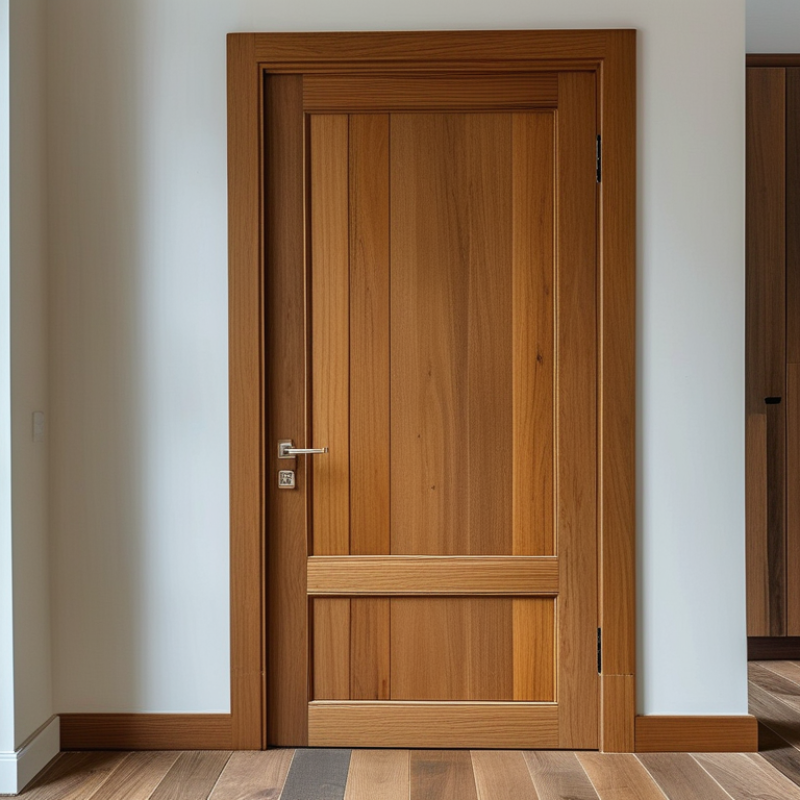
Choosing the Right Wood Species for Doors and Laminate Flooring
When choosing wooden doors and laminate flooring, selecting the right wood species is essential. Different wood species offer varying colors and grain patterns. For instance, oak provides a warm tone, while maple tends to be lighter and more subdued. It's vital to consider how these tones will complement each other in the overall design scheme.
Consider the natural lighting in your space. Darker woods can absorb light, creating a cozy atmosphere. In contrast, lighter laminate can enhance brightness. If you're unsure, sample swatches in your home first. This step helps visualize the final effect. Remember, even subtle differences in undertones can make a significant impact.
One common issue arises when homeowners choose contrasting elements without considering harmony. A bold door can clash with neutral flooring. It's advisable to strike a balance between the two. A cohesive look enhances the entire area, making it feel more unified rather than disjointed. Don't rush this decision; take your time to reflect on your choices.
Understanding Color Theory: Complementary Schemes for Wood and Laminate
Choosing the right colors for wooden doors and laminate flooring can transform your space. It begins with understanding color theory, which plays a vital role in design. Complementary color schemes can enhance the visual appeal of your home while ensuring harmony between different surfaces.
When selecting colors, consider the warmth of the wood. Rich, dark woods pair well with lighter laminate tones to create contrast. A light oak floor can brighten up a darker wooden door. However, avoid overly stark contrasts that can feel jarring. Aim for shades that complement rather than clash.
Tips: Use samples to visualize the combination in your home. Place the door and laminate next to each other in natural light. Observe how they interact throughout the day. Remember that imperfections in color can add character. An aged wood door may have slight variations that make it unique. Don't shy away from mixing finishes. A matte door can beautifully contrast with glossy laminate, creating depth.
Evaluating Finish Types: Gloss Levels and Their Aesthetic Impact
Choosing the right finish for wooden doors and laminate flooring is often overlooked. The gloss level of these finishes can make a significant difference in the overall aesthetic of your space. Higher gloss levels reflect light, creating a bright and vibrant atmosphere. This can be especially beneficial in smaller rooms where light plays a crucial role. Conversely, lower gloss levels provide a muted, warm feel that adds depth and comfort.
When you assess finish types for a cohesive look, consider how each reflects light and interacts with colors. For a rustic style, a matte finish on wooden doors enhances the organic feel, while a satin laminate can offer a subtle sheen. This contrast can add visual interest. However, achieving balance is key. Too much gloss can overpower the warmth of wooden elements, making your space feel cold.
Here are some tips for matching finishes effectively. Test samples of both wood and laminate in your space. Observe how they appear at different times of day. Also, keep the surrounding decor in mind; mismatched finishes can clash with existing elements. Lastly, remember that imperfections can be beautiful. A worn, distressed door can complement sleek laminate, creating a unique dynamic in your home.
How to match wooden door colors with laminate flooring tips? - Evaluating Finish Types: Gloss Levels and Their Aesthetic Impact
| Wood Type |
Door Color |
Laminate Flooring Color |
Finish Type |
Gloss Level |
| Oak |
Natural |
Light Maple |
Matte |
10% |
| Walnut |
Dark Brown |
Grey Ash |
Satin |
30% |
| Maple |
Honey |
Cream |
Glossy |
60% |
| Cherry |
Rich Red |
Oak Beige |
Semi-Gloss |
50% |
| Pine |
Light Yellow |
Tan |
Matte |
15% |
Understanding Trends: Popular Color Combinations in Interior Design
Choosing the right color combination for wooden doors and laminate flooring can significantly impact your interior design. Current trends favor warm, earthy tones. Soft beiges and light browns are popular options. These colors create an inviting atmosphere, blending well with various decor styles. Dark wood tones can add depth, but may not suit every space.
Contrast is also essential in design. A light laminate floor paired with a dark door can create an appealing visual balance. Alternatively, a matching color scheme can evoke a sense of harmony. However, achieving consistency requires careful consideration of undertones. For example, a yellow undertone in the floor may clash with a cooler-toned door.
Textures play a vital role as well. A smooth, polished laminate might look out of place with a rustic wooden door. Mixing finishes can add character, but it can risk a disjointed feel if not done thoughtfully. Experimenting with samples can help you visualize the final look. Take time to reflect on your choices. Sometimes, what seems trendy may not resonate with your personal style.
Considering Lighting Effects: How Natural Light Influences Color Perception
Matching wooden door colors with laminate flooring can be tricky. One crucial aspect to consider is how natural light influences color perception. Changes in lighting can transform a space, making colors appear warmer or cooler. A door that looks great in artificial light might clash during daylight. Therefore, it's essential to observe how light affects colors at different times of the day.
When selecting colors, test samples in your home. Place laminate samples next to wooden doors in various lighting. Pay attention to shadows and bright spots. This practice helps ensure cohesion in your space. You might notice that a warm-toned door looks appealing in morning light but feels too stark in the evening glow.
Consider these tips: Choose a door color that complements your flooring. Lighter floors typically pair well with darker doors, while darker laminates can support lighter woods. Additionally, think about the room's purpose. A cozy living room may invite warmer hues, while a bright kitchen benefits from more neutral tones. Experiment with different combinations until one resonates with your design vision.
Conclusion
In the quest of "How to match wooden door colors with laminate flooring," it is essential to start with the right wood species. Different wood types offer varying hues and patterns that can significantly impact the overall aesthetics. Understanding color theory, particularly the use of complementary schemes, can help achieve a harmonious blend between the doors and flooring.
Additionally, evaluating finish types and their gloss levels plays a crucial role in enhancing or diminishing visual appeal. Keeping up with current interior design trends can provide inspiration for popular color combinations. Finally, it’s important to consider how lighting affects color perception, as natural light can alter the appearance of both wood and laminate, ensuring that the final selection reflects the desired ambiance of your space.

 Weston Door