Installing a barn door on drywall can elevate your space. It combines style with functionality. Renowned home improvement expert, Sarah Mitchell, emphasizes, “Precision is key when you learn how to install a barn door on a drywall.” Her insight highlights the importance of getting it right.
When considering this project, be ready for challenges. Drywall does not always provide the best support. Use appropriate tools and anchors for stability. You may encounter unexpected issues, such as uneven surfaces or inadequate space for sliding.
Planning ahead will save you trouble. Measure your doorway accurately. Also, select the right hardware to match your door. Each detail matters when aiming for a seamless installation. With patience and the right approach, you can successfully install a barn door that enhances your home’s charm.
Understanding the Tools and Materials Needed for Installation
Installing a barn door on drywall requires specific tools and materials for a successful project. You'll need a
stud finder,
level,
power drill,
screws,
brackets, and the
barn door itself.
Make sure to choose a door that fits your space. A pre-made barn door is often easier to install than a DIY one.
Consider the hardware for the installation. You will need a sliding track and rollers.
These hardware components can vary in size and style. Make sure they match the weight of the door.
Improper selection can lead to sagging or misalignment over time.
Tips: Always use a stud finder to locate the best points for mounting. If you can't find studs, use toggle bolts for larger anchors.
Double-check your measurements before cutting anything.
When handling tools, safety is paramount. Wear goggles and gloves.
Keep your workspace tidy to avoid accidents. Every detail matters.
A loose screw can lead to a malfunction later.
Pay attention to these small aspects for a durable setup.
Preparing the Drywall for Barn Door Installation
Preparing drywall for barn door installation requires careful consideration. Start by identifying the location where the barn door will hang. Ensure there is enough wall space for the door to slide open and closed without obstruction. Measure the door’s width and mark the spots on the drywall where the brackets will attach.
Next, check the integrity of the drywall. If the wall is weak or damaged, it may not support the weight of the barn door. Adding backing strips or plywood can enhance the strength of the wall. Make sure to use a stud finder to locate the wall studs. Marking these points is crucial, as securing the hardware into studs will provide the necessary support.
Additionally, consider the door’s height and ensure that it aligns well with the existing door frame or other features in the room. An uneven installation can lead to aesthetic issues. Lastly, keep in mind that once the hardware is mounted, adjustments may be necessary. This helps to avoid misalignment and ensures smooth operation. Preparing your drywall properly will set the foundation for a successful barn door installation.
Marking and Measuring for Accurate Placement
When planning to install a barn door on drywall, accurate marking and measuring are crucial. It ensures the door will hang straight and function properly. Start by finding the desired location for your door. Use a pencil to mark the top of the door’s future position on the wall. This initial mark helps visualize how it will look. A laser level can help in making sure your line is straight.
Next, measure the width of the door and add extra space for the track and hardware. Mark these measurements clearly on the wall. Inexperience may lead to measurements that are slightly off. It’s essential to double-check. When installing the track, if it’s not level, the door may not slide smoothly. Use a stud finder to locate wall studs. Anchoring your hardware into studs provides stability.
Finally, step back and review the positioning. Ensure your markings allow enough room for the door to swing open freely. Visual errors can happen when you’re too close to the wall. Take a moment to view it from different angles. Correcting mistakes now can save time later. Precision is key to achieving the best outcome.
Installing the Track and Hardware on the Drywall
Installing a barn door on drywall adds charm and practicality to your space.
To effectively mount the track and hardware, start with gathering essential tools. You’ll need a
level, drill, screws, and a stud finder.
Use the stud finder to locate wall studs. At least one stud is necessary to ensure stability for the track.
Mark the height on the wall where the top of the door will align. This is usually around two inches above the door frame.
Make sure the marks are level to avoid an uneven door movement. Next, align the track with the marks. Secure it using appropriate screws.
If you're hitting drywall alone, toggle bolts can provide additional support.
Test the sturdiness by gently pulling on the track. This step often reveals any imperfections in securing the track.
After installing the track, attach the rollers to the top of the barn door.
Hang the door onto the track and ensure it moves smoothly.
It’s crucial to observe how the door swings. Minor adjustments might be needed at this stage.
If the door drags on the floor or doesn’t align properly, revisit your measurements.
Your attention to detail during this phase will greatly affect the final design.
Hanging the Barn Door and Final Adjustments
Hanging a barn door on drywall can transform your space. Begin by ensuring that the
top rail and hardware are securely mounted.
Studs in the wall provide stability. Use a stud finder to locate them. It prevents the door from
sagging or damaging the drywall over time.
After securing the rail, hang the door onto the rollers. Take time to align the door properly.
Assess its height and ensure it's even. Small adjustments can make a big difference in
functionality. If the door scrapes against the floor,
repositioning may be necessary. This might require some trial and error.
Final adjustments are crucial for smooth operation.
Test the door by sliding it back and forth. Listen for any squeaks or resistance. Lubricating the
rollers can help. If the door is too loose or tight, tighten or adjust the screws. These little details
are often overlooked but greatly affect performance. Make sure everything feels right before
completing the installation.
Conclusion
In this article, we explore how to install a barn door on drywall through a series of simple steps. First, it’s essential to gather the necessary tools and materials for a successful installation. Proper preparation of the drywall is crucial, ensuring a stable foundation for the door. Next, accurate marking and measuring are vital to ensure the door is hung correctly and operates smoothly.
The installation process involves attaching the track and hardware securely to the drywall, which supports the weight of the barn door. Once the track is in place, the barn door can be hung, followed by making final adjustments to ensure it opens and closes without any issues. By following these steps, readers will gain a comprehensive understanding of how to install a barn door on drywall effectively.
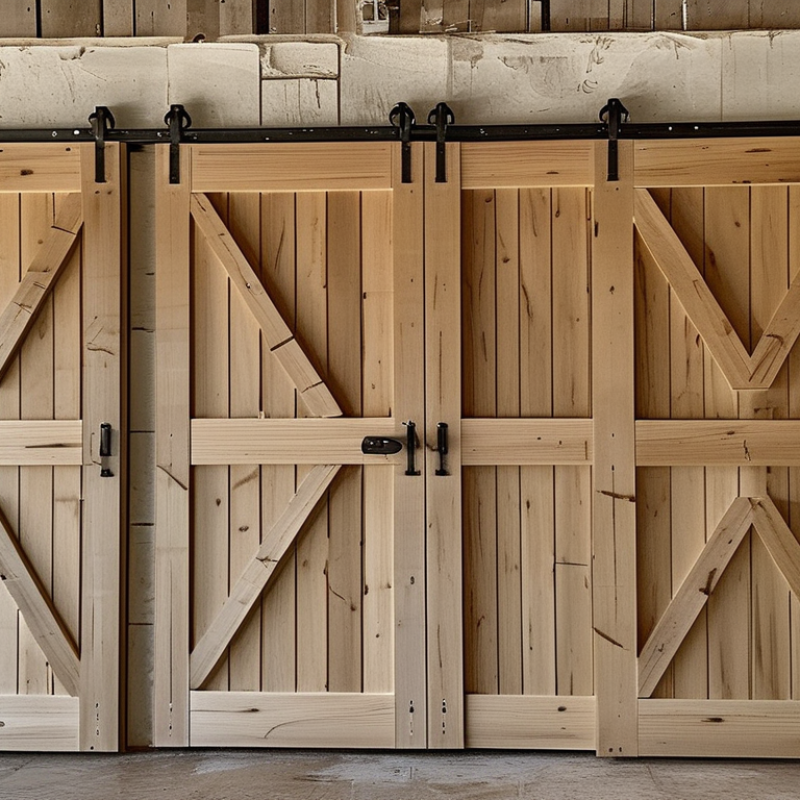

 Weston Door