When considering home improvement, a key decision involves selecting the right doors. "How to identify if a door is real wood or veneer" is essential knowledge for homeowners. According to the Wood Products Council, about 80% of homeowners prefer solid wood doors for their durability and aesthetic appeal. However, many may not realize that these doors can be deceptively similar to veneer options.
Veneered doors consist of a thin layer of natural wood over a composite material. This raises questions about authenticity and quality. A study by the National Association of Home Builders shows that veneer doors can represent up to 60% of new installations due to cost-effectiveness. Despite their widespread use, many consumers remain unaware of how to distinguish between the two.
Identifying the difference requires careful observation. Real wood doors often show unique grain patterns and texture, while veneer may look more uniform. This can sometimes lead to regret if consumers discover they opted for the less desirable option. It’s crucial for buyers to educate themselves to ensure their investments reflect their style and longevity expectations.
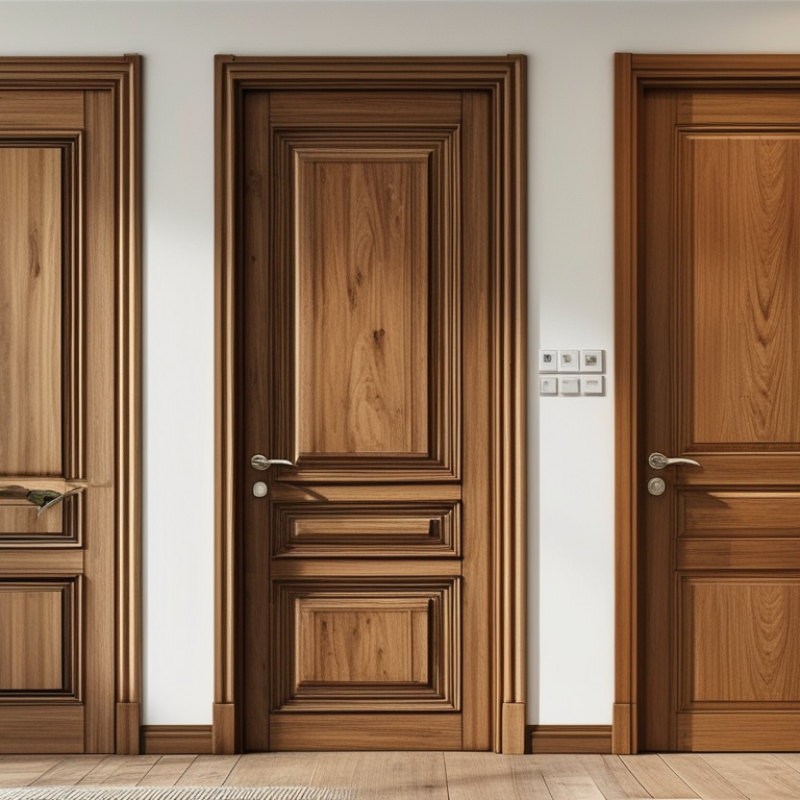
Identifying whether a door is real wood or veneer involves examining its characteristics closely. Real wood doors exhibit unique grain patterns and textures that reflect the natural growth of the tree. Each piece is distinct, showcasing knots and color variations. Veneer, on the other hand, typically has a more uniform appearance, as it’s made by gluing a thin layer of real wood over a less expensive core material.
One way to tell the difference is by looking at the edges. Real wood doors tend to have a solid, thicker edge, while veneer doors may appear thinner and less substantial. Tapping gently on the door can also provide clues. A solid wood door gives a deep sound, while a veneered door often produces a hollow sound.
Tips: Check the weight. Solid wood doors are heavier than veneer counterparts. Look for signs of wear. Real wood ages beautifully, developing a patina, while veneer may show peeling or damage. If you're uncertain, consider consulting a professional. They can provide insights based on experience and expertise. Knowing these details can help you make informed decisions about door quality and authenticity.
Veneer is a thin layer of real wood glued onto a core, like a particle board or plywood. This technique allows manufacturers to create furniture that has the appearance of wood without the cost. Common types of veneer include oak, cherry, and maple, each providing distinct aesthetics and characteristics. These wood types can enhance the beauty of the underlying structural materials while keeping production costs manageable.
Identifying veneer involves looking closely at the grain pattern. Authentic wood usually has irregularities, such as knots or unique textures. In contrast, veneer may feature repeated patterns, hinting at its manufactured nature. Also, tapping on the surface can reveal differences in sound. A solid wood door produces a deep sound, whereas a veneer door sounds hollow.
However, veneer offers a unique charm. Its beauty is undeniable, but it can also be criticized for lacking the durability of solid wood. Quality of veneer varies widely, leading to a spectrum of appearances and longevity. This creates uncertainty; not all veneer is created equal. When assessing a door, understanding these aspects helps you make an informed choice.
When examining whether a door is made of real wood or veneer, start with a close-up look at its surface. Real wood often has unique grain patterns and rich textures. Each piece tells a story, with knots and variations. In contrast, veneer usually displays a uniform pattern, lacking the distinct irregularities of solid wood. Don’t overlook the edges either; solid wood doors have more depth and character in their profiles.
Feel the surface. A genuine wood door feels warmer and smoother. Veneers might seem slick but can lack the comforting texture of real wood. Tap the door; solid wood produces a deeper sound, while veneer often sounds hollow. Consider the weight too; solid wood tends to be significantly heavier than its veneer counterpart.
Color and finish are also telling clues. Real wood can change over time, developing a patina that enhances its beauty. Veneer might peel or fade more quickly. Look closely; imperfections can signal authenticity in wood. Small dents or scratches on a solid door add to its charm, while veneer can show wear in a less appealing way.
When determining if a door is real wood or veneer, physical tests can provide valuable insights. One effective method is to assess the weight of the door. Solid wood doors are generally heavier than veneer doors. A solid wood door's weight is often due to its dense nature. Conversely, veneer doors tend to be lighter because they are constructed using a thin layer of wood over a composite material.
Texture comparison is another useful technique. Run your hands along the surface of the door. Solid wood often feels warm and has a natural grain pattern. Veneer may have a smoother finish, sometimes with a uniform look. Look for imperfections, as real wood has unique characteristics like knots and varying textures.
Tips for identifying door types: Check for the sound when knocking. A solid wood door produces a deeper, resonant sound. In contrast, a veneer door sounds hollow. Examine the edges; solid wood will have distinct layers, while veneer edges may appear more uniform. Trust your observations and feel, as they can reveal much about the door's material.
When distinguishing between real wood and veneer, examining the end grain is crucial. End grain reveals the wood's structure and can indicate whether it's solid or layered. Authentic solid wood displays a varied pattern, while veneer typically shows a more uniform surface. Reports from the Wood Products Marketing Association suggest that understanding these distinctions is key for buyers.
The end grain shows various growth rings and seasonal patterns in real wood. This variability signifies natural growth, while veneer looks artificial. An experienced woodworker notes that solid wood feels heavy and dense. In contrast, veneer feels lighter and may bend. Even skilled artisans sometimes mistake veneer for real wood due to aesthetic finishes that mimic solid grain.
Moreover, the durability and longevity of solid wood differ significantly from veneer. A study by the Forest Products Laboratory indicates that solid wood can last decades with proper care, whereas veneer may not. A veneer door might lose its appeal over time through chips and scratches. End grain examination remains a primary recommendation for those uncertain of their door's material. Such insights are essential for making informed purchasing decisions.
: Look for unique grain patterns and textures. Each piece should have knots and color variations.
Tapping a solid wood door gives a deep sound. Veneer doors often produce a hollow sound.
Solid wood doors have thicker, solid edges. Veneer edges may look thinner and less substantial.
Solid wood doors are generally heavier. Veneer doors feel lighter due to their composite core.
Yes, solid wood has a natural grain and warmth. Veneer may appear smoother and more uniform.
Real wood ages beautifully, developing a patina. Veneer may show peeling or other damage over time.
Yes, a professional can offer expert insights based on their experience and knowledge of materials.
Not necessarily. It varies in quality and can still provide beauty but may lack the durability of solid wood.
Veneer can have repeated patterns that mimic real wood's irregularities, creating confusion.
No, quality and appearance differ widely among veneer types, affecting aesthetics and longevity.
In the quest to determine "How to identify if a door is real wood or veneer," several key characteristics and techniques can be employed. First, understanding the fundamental differences between real wood and veneer is essential. Real wood doors are typically made from solid timber, while veneer consists of thin slices of wood glued onto a substrate.
Visual clues, such as grain patterns and surface finishes, can provide insight into a door's authenticity. Additionally, performing physical tests, like examining the weight and texture, can further distinguish between the two. Notably, inspecting the end grain reveals crucial information; real wood shows a distinct pattern, while veneer often has a more uniform appearance. By applying these methods, anyone can accurately assess the type of door they are dealing with.

Weston Door