Best Wood Types for External Front Doors Which One to Choose?

Time:2026-05-16 Author:Mason
0%

Choosing the right wood type for your external front door is crucial. It impacts not only the look but also durability. Many homeowners wonder, "Which wood type is best for external front doors?" Various options exist, each with unique characteristics.

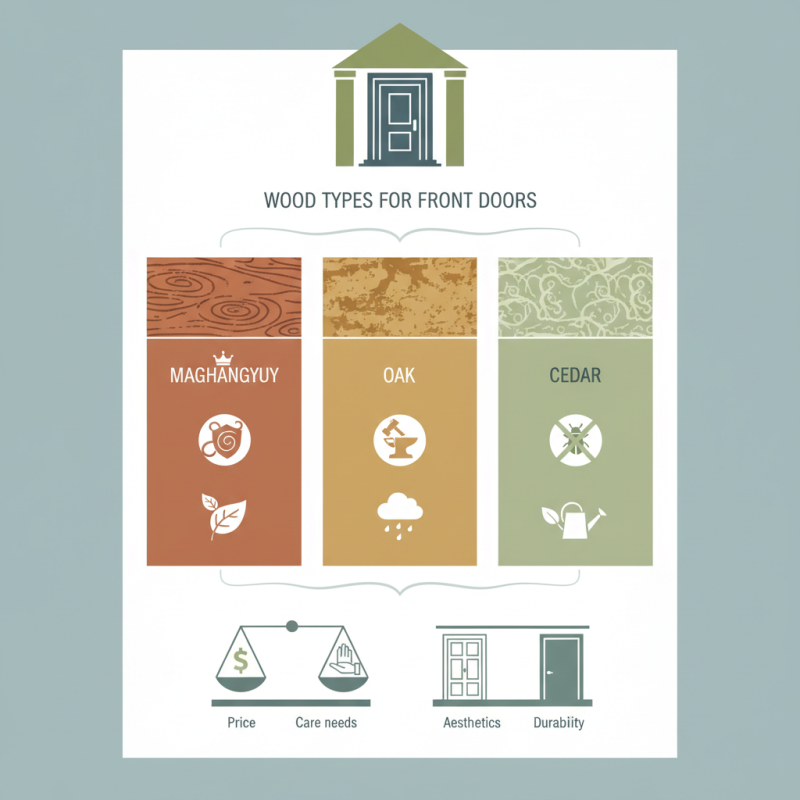
For instance, mahogany is renowned for its rich color and natural resistance to rot. It offers a luxurious feel that enhances curb appeal. Oak, on the other hand, is known for its strength and longevity. It can withstand harsh weather, making it a practical choice. Cedar, with its natural oils, repels insects effectively and resists decay. However, it may require more maintenance.

While aesthetics are essential, functionality matters too. Each wood type varies in price and care needs. Selecting the ideal material often involves trade-offs. Reflecting on these factors will help guide your decision, ensuring you choose a door that meets both beauty and durability.
Best Wood Types for External Front Doors Which One to Choose?

Types of Wood Commonly Used for External Front Doors

When choosing wood for external front doors, several varieties stand out for their durability and aesthetics. Among the most common types are mahogany, oak, and cedar. Mahogany is prized for its rich color and resistance to rot. This makes it an excellent choice for those seeking elegance and longevity. Oak, known for its strength, offers a traditional look that complements many home styles. Its dense grain also provides a solid barrier against the elements.

Cedar is another popular option. It possesses natural oils that resist decay and insects. This feature is especially beneficial for homes in humid climates. The warm, reddish hue of cedar can add a welcoming touch to any entrance. However, it can be prone to warping if not properly maintained. It’s crucial to weigh these factors when making your decision. Ultimately, the choice of wood not only affects the door's appearance but also its lifespan. Each type requires different levels of care and maintenance, so understanding these aspects is essential.

Best Wood Types for External Front Doors

Characteristics of Durable Wood Species for Entrance Doors

Choosing the right wood for external front doors is crucial. Certain wood species stand out due to their durability and resistance to the elements. Mahogany and oak are often recommended by experts. These woods not only resist warping but also maintain their beauty over time. Reports from the American Wood Council indicate that mahogany has a natural resistance to moisture and pests, making it an excellent choice for humid climates.

Another strong contender is Douglas fir, valued for its strength and stability. It has a Janka hardness rating of 660, which means it can withstand significant wear. However, it requires regular maintenance to keep the wood looking fresh. Despite its accolades, some homeowners have reported issues with splitting if not properly cared for.

Cedar is frequently chosen for its aromatic properties and natural insect-repelling qualities. Yet, it can be softer than other types, making it more prone to dents. A study by the Forest Products Laboratory emphasizes that while cedar offers aesthetic benefits, it may not last as long in harsh weather compared to harder wood species. Making the right choice involves balancing durability with aesthetic preferences.

Comparing Hardwoods and Softwoods for Front Door Applications

When choosing a front door, the type of wood significantly impacts its durability and aesthetic appeal. Hardwoods, like oak and mahogany, are renowned for their strength and resistance to wear. They maintain their appearance over time and provide excellent insulation against weather changes. However, they are often more expensive and can be challenging to work with, especially in intricate designs.

On the other hand, softwoods like pine and cedar offer a different set of advantages. They are generally lighter and easier to manipulate. These woods have natural properties that can resist pests and decay, making them suitable for various climates. However, softwoods may dent or scratch more easily compared to hardwoods. This can lead to a need for regular maintenance or repairs.

Choosing between hardwoods and softwoods requires careful consideration of your specific needs. Think about your climate, the door’s location, and desired appearance. Each wood type has its pros and cons. Weighing these factors can lead to more informed decisions. Remember that the right choice enhances both your home's beauty and its security.

Factors to Consider When Choosing Wood for External Doors

When selecting wood for external front doors, several key factors come into play. Durability is crucial, as the door faces various weather conditions. Hardwoods like oak and mahogany are popular due to their strength. However, even softer woods can be treated for added protection.

Another factor is aesthetics. The wood's grain and color can greatly impact your home's curb appeal. Consider how the wood will complement your overall exterior. It’s essential to visualize the final look.

Tips: Always check if the wood is sustainably sourced. This not only supports the environment but also enhances the door's longevity. Be mindful of the maintenance required. Some woods may need regular staining or sealing to prevent damage.

Think about insulation properties. A good door should provide both security and energy efficiency. Different wood types offer varying levels of insulation. Investing time in research could save you future headaches. Ultimately, choose wisely, as the right wood can provide beauty and functionality for years.

Maintenance Requirements for Different Wood Types in Outdoor Settings

When selecting wood for external front doors, it’s crucial to consider maintenance requirements based on the wood type. Different woods behave differently in outdoor settings. For instance, cedar is known for its natural resistance to moisture and insects. However, it still needs regular sealing to prevent fading and protect its grains. Every year, reapplying a protective finish will help maintain its beauty.

On the other hand, mahogany offers a rich color and durability. It withstands harsh weather conditions but also demands care. Without regular oiling, mahogany may lose its luster and develop surface cracks. Likewise, pine is an affordable choice with a lighter look but requires the most upkeep. It is susceptible to warping and needs to be painted or stained regularly to deter rot and insect damage.

Choosing the right wood involves understanding these nuances. Reflecting on these factors can lead to better decisions. Each wood type has its charms and challenges, requiring you to weigh aesthetics against effort.

Best Wood Types for External Front Doors - Maintenance Requirements for Different Wood Types

Wood Type Durability Maintenance Requirements Resistance to Weather
Mahogany High Periodic sealing Excellent
Oak Moderate Annual oiling Good
Pine Low Frequent painting/staining Fair
Cedar High Occasional sealing Very Good
Teak Very High Minimal maintenance Outstanding

FAQS

: What are the most common types of wood for external front doors?

: Common options include mahogany, oak, and cedar. Each offers unique benefits and aesthetics.

Why is mahogany a popular choice?

Mahogany has a rich color and resists rot. It’s elegant and durable, perfect for long-lasting use.

What are the advantages of oak for doors?

Oak is strong and has a traditional appearance. Its dense grain helps protect against weather elements.

Why is cedar often recommended?

Cedar contains natural oils that resist decay and insects. It is ideal for humid climates but may warp if neglected.

What are the differences between hardwoods and softwoods?

Hardwoods are durable and resistant but pricier. Softwoods, like pine and cedar, are lighter but may scratch easily.

What factors should be considered when choosing wood?

Consider durability, aesthetics, climate, and maintenance needs. Visualizing the final look is essential for making the right choice.

Does wood choice impact insulation properties?

Yes, different wood types offer varying insulation levels. A good door enhances energy efficiency and security.

How can I ensure my wood is sustainably sourced?

Look for certifications or labels that confirm sustainable practices. This supports the environment and enhances longevity.

What maintenance do different woods require?

Hardwoods may need less maintenance than softwoods. Some woods need regular sealing to prevent damage, which can be a hassle.

What should I keep in mind about aesthetics?

The wood's grain and color affect your home's curb appeal. Think about how it complements your exterior design.

Conclusion

When choosing the best wood type for external front doors, several factors come into play. Common wood species used for these doors include both hardwoods and softwoods, each offering unique characteristics. Durable hardwoods, such as oak and mahogany, are often favored for their strength and resistance to wear, while softwoods like pine can be more cost-effective options. The choice between these types ultimately hinges on considerations such as aesthetic preferences, climate conditions, and maintenance requirements.

It's crucial to assess the specific characteristics of different wood types, especially regarding their susceptibility to the elements. Hardwoods generally require less frequent maintenance due to their density, while softwoods may need regular treatment to withstand outdoor conditions. Therefore, answering the question "Which wood type is best for external front doors" involves a careful evaluation of durability, maintenance needs, and personal style to ensure the door not only complements the home but also stands the test of time.

Mason

Mason

Mason is a seasoned marketing professional with a deep expertise in the company's offerings and a passion for driving brand awareness. With a strong background in digital marketing strategies, he has an innate ability to connect with diverse audiences and effectively communicate product benefits.......